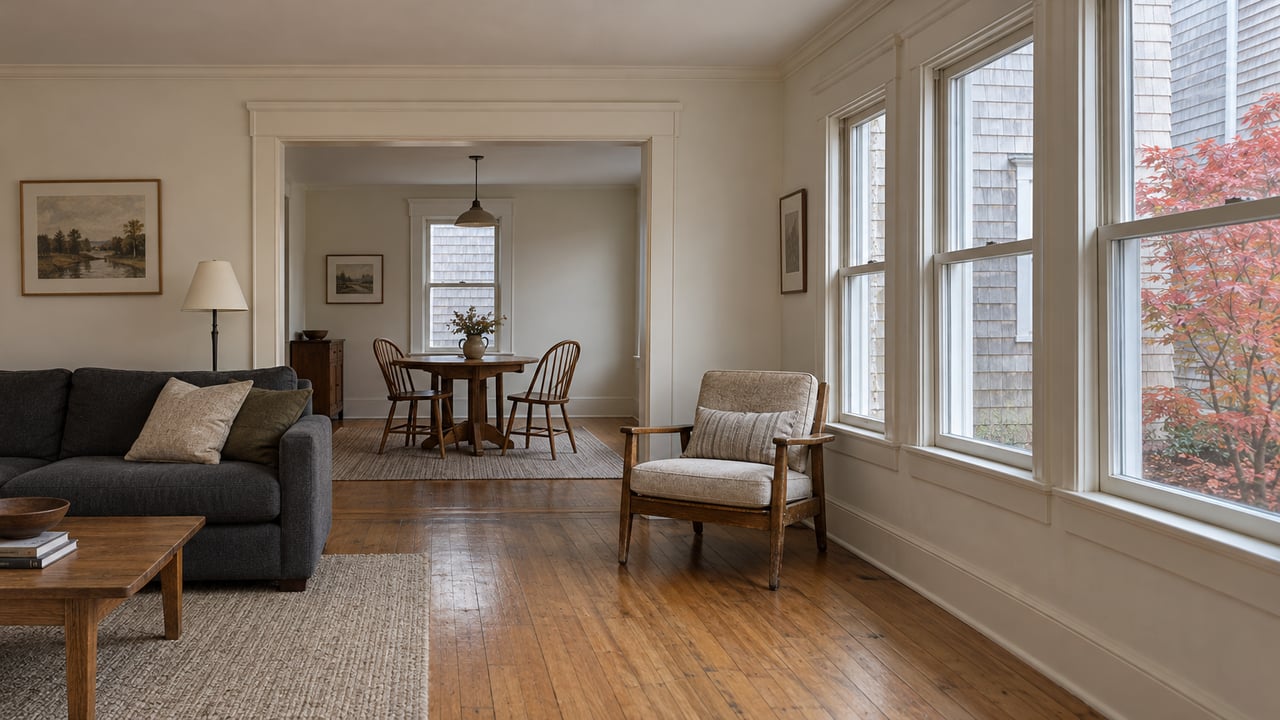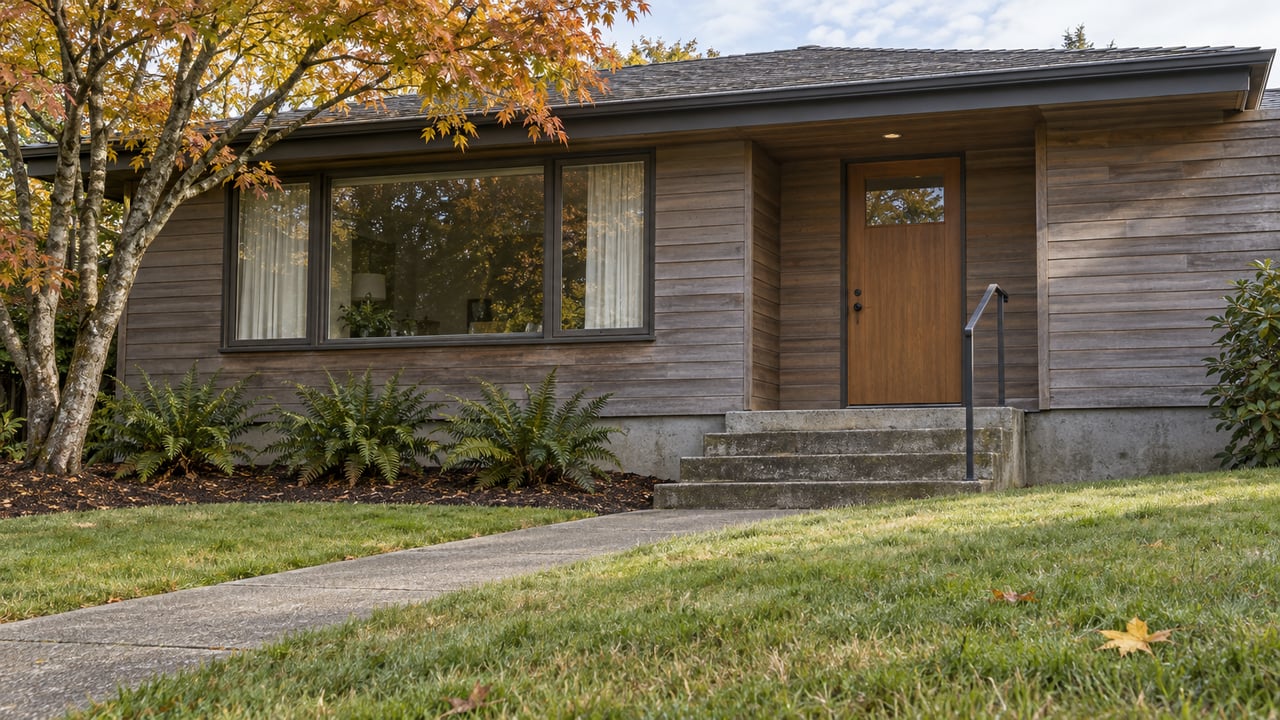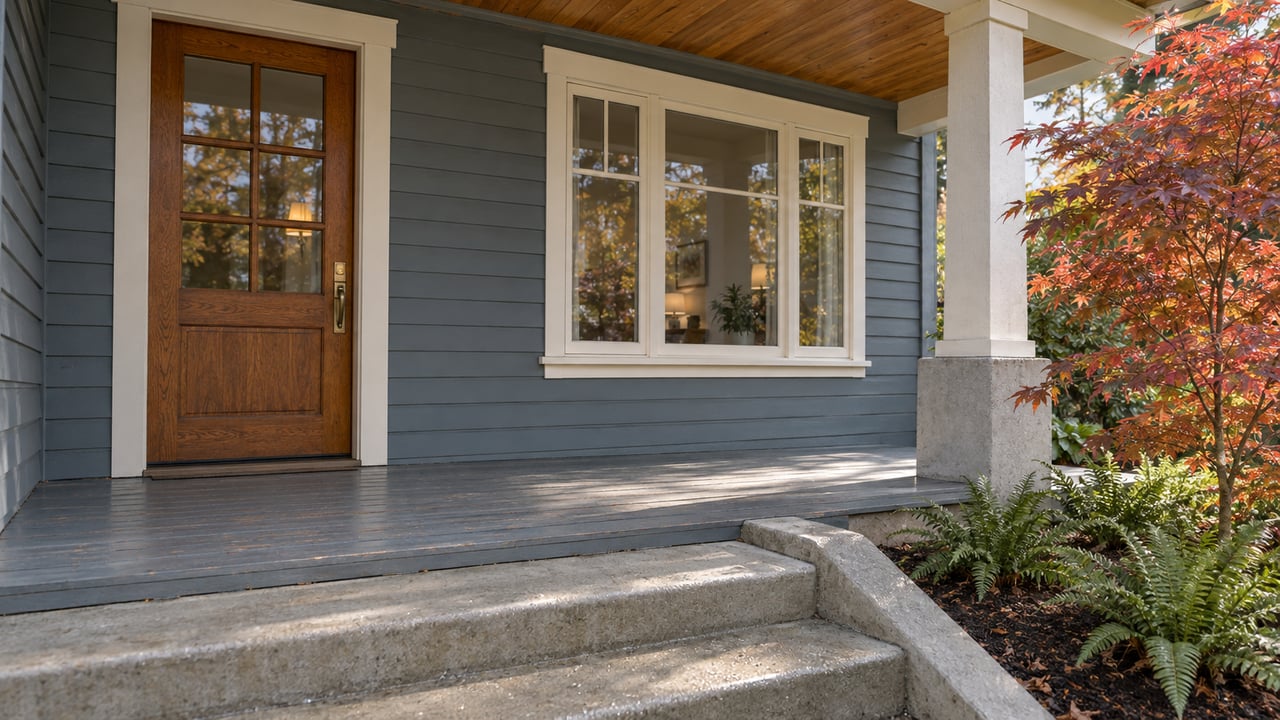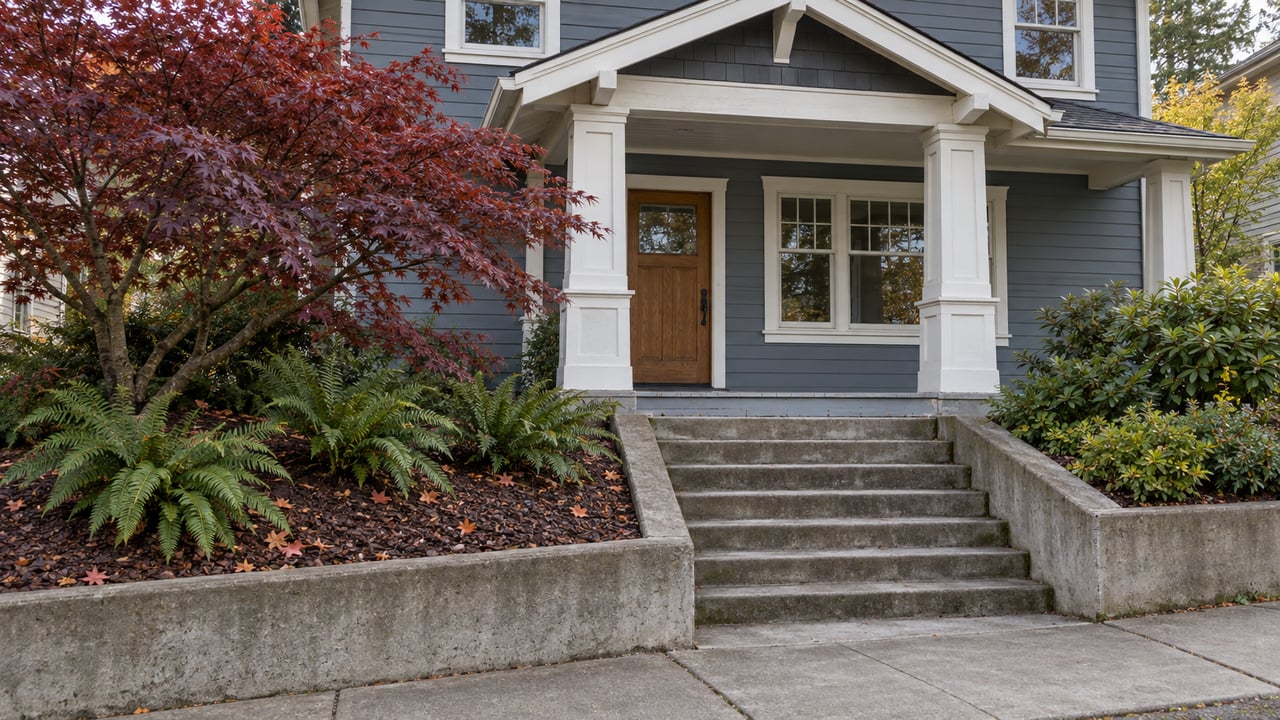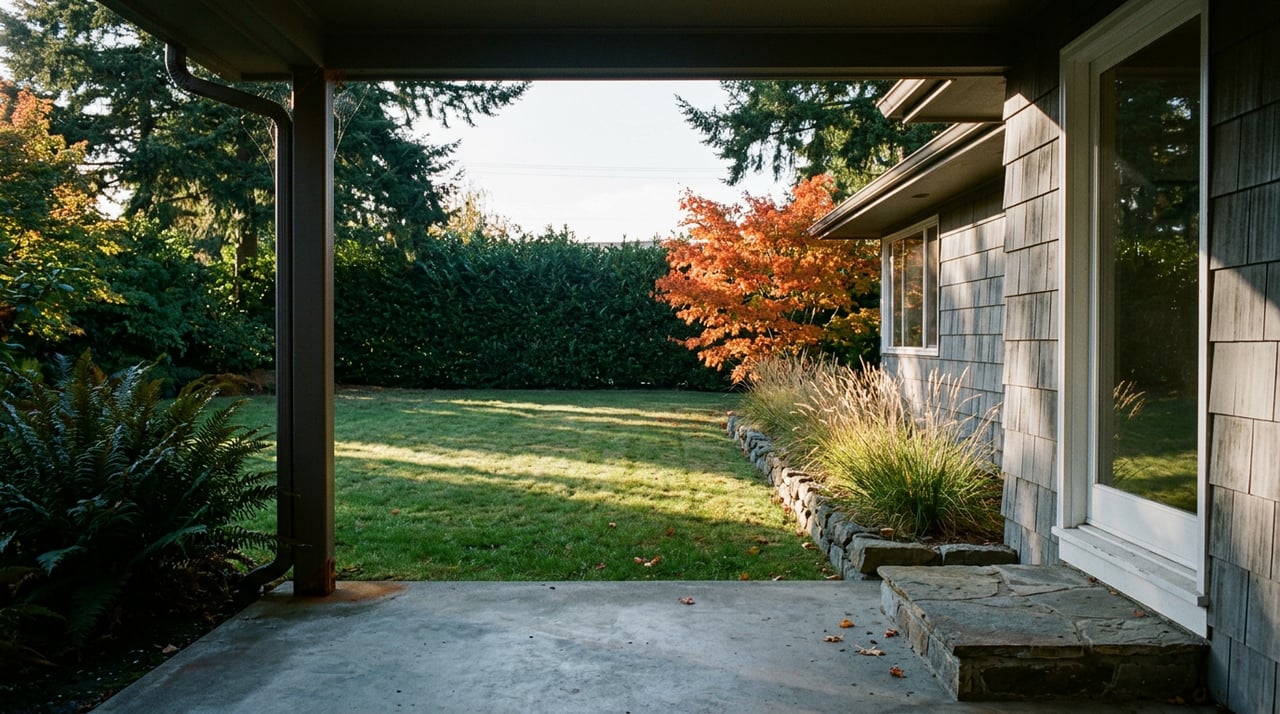
Stand at the bus stop on Greenwood Avenue N near N 130th on a weekday morning and you'll notice something Broadview residents have lived with for decades: there's no sidewalk under your feet, just a gravel shoulder and a painted line, because this stretch of the city was annexed in 1954 and never fully retrofitted for pedestrians. It's part of what makes the neighborhood feel the way it does, quiet, wide-lotted, more rural than urban despite being inside Seattle proper. For as long as most current owners have lived here, getting anywhere fast has meant getting in a car.
That's about to change, though not in the way most people expect, and not exactly where most people expect it.
A Station Built for People Without Cars, in a Neighborhood Built for People With Them
On September 30, Sound Transit opens Pinehurst Station, a new stop on the 1 and 2 Line well east of Bitter Lake, tucked against Interstate 5 near NE 130th Street. It's the agency's first infill station, meaning it wasn't part of the original Lynnwood Link plan but was added into an existing stretch of track years after construction started, and it's the last new Link stop Seattle will get until the 2030s.
What makes Pinehurst worth Broadview's attention isn't the ribbon-cutting. It's the design. Sound Transit expects about 3,400 daily riders once trains start running every four to five minutes, and the station is being built without a parking garage. That's a deliberate choice, not an oversight. Planning materials from the Seattle Department of Transportation project that the large majority of riders will arrive on foot, by bike, or by bus rather than by car, a bet that only makes sense if the surrounding streets can actually carry people that way.
For a neighborhood that still doesn't have sidewalks on some of its own blocks, that's the interesting part. The city isn't just adding a train stop near Broadview and Bitter Lake. It's trying to retrofit the walking and biking network around it before the first train even arrives, which is a different kind of project than anything this stretch of North Seattle has seen since Highway 99 went in.
What Changes on the Ground Between Bitter Lake and Lake City
The practical version of this is a set of street projects, not a single ribbon-cutting. SDOT has been building out crossings, protected bike lanes, and traffic-calmed street redesigns between Bitter Lake and Lake City specifically to feed riders toward the new station, since the corridor currently has no bus route running directly past the platform site. King County Metro is restructuring service in response, including changes to Route 75 to create a more direct link between Lake City and the station.
None of this means Broadview's own streets get sidewalks by October. It means the connective tissue between here and the region's rail network gets thicker for the first time in a long while, one intersection and one bike lane at a time. As My Edmonds News reported, Sound Transit Board Chair Dave Somers said the station "fills a critical gap in our light rail network and gives more people a fast, reliable connection to jobs, education, neighborhoods and destinations across the region." For a neighborhood that has always measured distance in minutes by car, that's a meaningfully different math to start doing.
A Homestead Orchard Older Than the Platform
A few miles west of all that, inside Carkeek Park, something considerably older than a Sound Transit ribbon-cutting is doing exactly what it has done every fall since 2007: producing apples.
Piper's Orchard traces back to 1888, when Andrew Piper, a German immigrant and Seattle city councilman, filed a claim on 40 acres of freshly logged land north of the city. After Seattle's Great Fire destroyed his downtown candy factory the following year, Piper moved his family to the homestead and planted an orchard of pears and apples, tended largely by his wife Minna, who is credited with grafting many of the original trees herself. The orchard was sold to the city in 1927 to become Carkeek Park, then quietly disappeared under decades of overgrowth until volunteers rediscovered it in 1983 and began clearing it out, uncovering nearly thirty surviving fruit varieties in the process.
That volunteer group, now organized as the Friends of Piper's Orchard, still maintains the trees today alongside Seattle Parks and Recreation, and every fall they host the Festival of Fruit to mark the harvest. This year's edition lands on October 4, from 11 a.m. to 2 p.m., free and open to anyone willing to make the walk down from the McAbee entrance or the Nancy Malmgren Environmental Learning Center. Expect an orchard tour, fresh cider pressing, heirloom apple tasting from trees planted well over a century ago, and a mason bee display explaining how the orchard still gets pollinated the old-fashioned way.
It's a strange kind of symmetry. Broadview hasn't had rail service since the old Seattle-Everett Interurban trolley line stopped running through the neighborhood decades ago, and getting it back this way, feeder buses and bike lanes instead of a parking lot, is genuinely new territory. Piper's Orchard, a few miles over, is a reminder that not everything here is up for renegotiation.
Two Weeks Worth Rearranging Your Schedule For
If you're mapping out the next few weeks, the calendar looks like this:
Wednesday, September 30 – Pinehurst Station opens on the 1 and 2 Line, with trains arriving every four to five minutes and no parking lot to speak of.
October 4 – The Festival of Fruit runs 11 a.m. to 2 p.m. at Piper's Orchard in Carkeek Park, free, with cider, heirloom apples, and a guided walk up to the orchard itself.
Between the two, there's an obvious stop worth making. Broadview Tap House, on N 125th Street, has been pouring thirty beers on tap for long enough that it's become the neighborhood's default answer to "where do we end up after." It's open daily, noon on Fridays through Sundays and 3 p.m. the rest of the week, which makes it a reasonable place to land after a morning spent pressing cider or standing at a new platform watching the first trains roll through.
None of this changes what Broadview is. Large lots, quiet streets, the Sound and the Olympics on a clear day from the right block, and a park most Seattleites still haven't gotten around to visiting. What's changing is how connected all of that is about to become, and how much of the neighborhood's oldest character is staying exactly the same while it happens. For a longer look at how the rest of Broadview-Bitter Lake's infrastructure has been shifting this year, our earlier piece on Broadview's reservoir teardown covers the other half of that story.
If you're already living here and want to talk about what any of this means for your specific block, or if you've been thinking about a move into Broadview and want a read on how a neighborhood like this actually holds its value while it changes, Samie Bryan knows this stretch of Northwest Seattle block by block. Let's Connect.