If you are thinking about selling in Ballard, timing can shape everything from buyer traffic to how much leverage you have in negotiations. You want to hit the market when demand is active, inventory is manageable, and your home is fully ready to make a strong first impression. The good news is that Ballard is still a solid market for sellers, but the best results usually come from planning ahead instead of rushing. Let’s dive in.
Ballard market timing right now
Ballard sellers are still operating in a market that leans in their favor, but it is not the same kind of shortage market many owners remember from past years. In June 2026, NWMLS Area 705, which covers Ballard and Greenlake, had 365 new listings, 219 pending sales, 213 closed sales, and a median sales price of $935,000. Inventory sat at 2.71 months, which is still below the 4 to 6 months NWMLS considers a balanced market.
That matters because it shows buyers are still active, even as choices expand. Seattle citywide had 3.27 months of inventory in June 2026, and King County was at 3.39 months. Ballard was tighter than both, which suggests local sellers still have an advantage, but buyers are comparing homes more carefully than they do in a very low-inventory rush.
Realtor.com also described Ballard as a seller’s market in June 2026. Its data showed about 211 homes for sale, a median listing price of $825,000, a median 31 days on market, and a 100% sale-to-list ratio. In practical terms, homes are still moving, but presentation and pricing matter more when buyers have enough inventory to be selective.
Best time to list in Ballard
For Seattle sellers, the strongest seasonal window usually arrives earlier than many people expect. Realtor.com identified March 29 through April 4 as Seattle’s best week to sell in 2026. Homes listed during that period historically sold for about $76,000 more than at the start of the year, drew 22% more views per property, sold up to 10 days faster, and faced 30.5% less competition.
That early timing is consistent with how Seattle’s spring market tends to behave. In high-demand coastal and tech-driven markets like Seattle, the spring season often starts in early to mid-March rather than later in April. If you own a Ballard home, that means your timing decision should start well before your list date.
In other words, the best week to sell is not just about when the sign goes up. It is about when your cleaning, repairs, staging, photography, and pricing strategy are complete. If you want to launch into the strongest spring window, your prep work often needs to begin in winter.
Why early spring often works best
Early spring tends to combine a few helpful conditions at once. Buyer demand is active, more people are starting serious home searches, and competition has not yet fully peaked. That can give your listing a cleaner lane when it first hits the market.
For many Ballard homes, this is especially useful because buyers are often comparing character, condition, and updates across several options. If your home enters the market before the summer inventory build-up, it may stand out more clearly. That can support stronger showing activity and more confident offers.
Can you still sell well in summer?
Yes, but summer timing requires more discipline. NWMLS reported continued year-over-year growth in active listings across its service area in June 2026, with 23,088 active listings overall. As supply expands, late spring and summer sellers may face a broader field of competing homes.
That does not mean summer is a bad time to sell. It means the margin for error gets smaller. If you list later in the season, buyers may have more homes to compare, so your pricing, presentation, and launch strategy need to be sharper.
For some sellers, summer still makes perfect sense because of school schedules, work moves, or personal timing. The key is to understand that market seasonality should inform your plan, not control it. A well-prepared home can still perform strongly outside the ideal spring window.
Build your timeline backward
One of the most common mistakes sellers make is picking a list date first and figuring everything else out later. In Ballard, that can create unnecessary stress and missed opportunities. A smarter approach is to start with your ideal market window and build backward from there.
If your target is late March or early April, you may want to begin planning weeks or even a couple of months in advance, depending on the home’s condition. Contractor-based work usually takes longer than expected, especially if multiple trades are involved. Cosmetic prep, decluttering, cleaning, and staging can move faster, but they still need a clear schedule.
Here is a simple way to think about the timeline:
- 6 to 10+ weeks out: Walk the property, identify repairs, gather contractor bids if needed, and set your pricing and prep strategy.
- 3 to 6 weeks out: Complete touch-up work, painting, minor repairs, landscape cleanup, and deep cleaning.
- 1 to 3 weeks out: Stage the home, finish decluttering, complete photos, and finalize launch materials.
- Launch week: Go live with a home that feels polished, intentional, and market-ready.
Focus on smart prep, not major remodels
Most Ballard sellers do not need a major remodel to improve their result. The data points more strongly toward visible, confidence-building updates that help buyers feel good about the home from the moment they arrive. That is especially true in a market where buyers are comparing condition closely.
NAR’s 2025 staging profile found that 83% of buyers’ agents said staging makes it easier for buyers to visualize a property as a future home. The most commonly staged rooms were the living room, primary bedroom, and dining room. NAR also reported that 49% of sellers’ agents saw staging reduce time on market, while 29% said staging increased dollar value offered by 1% to 10%.
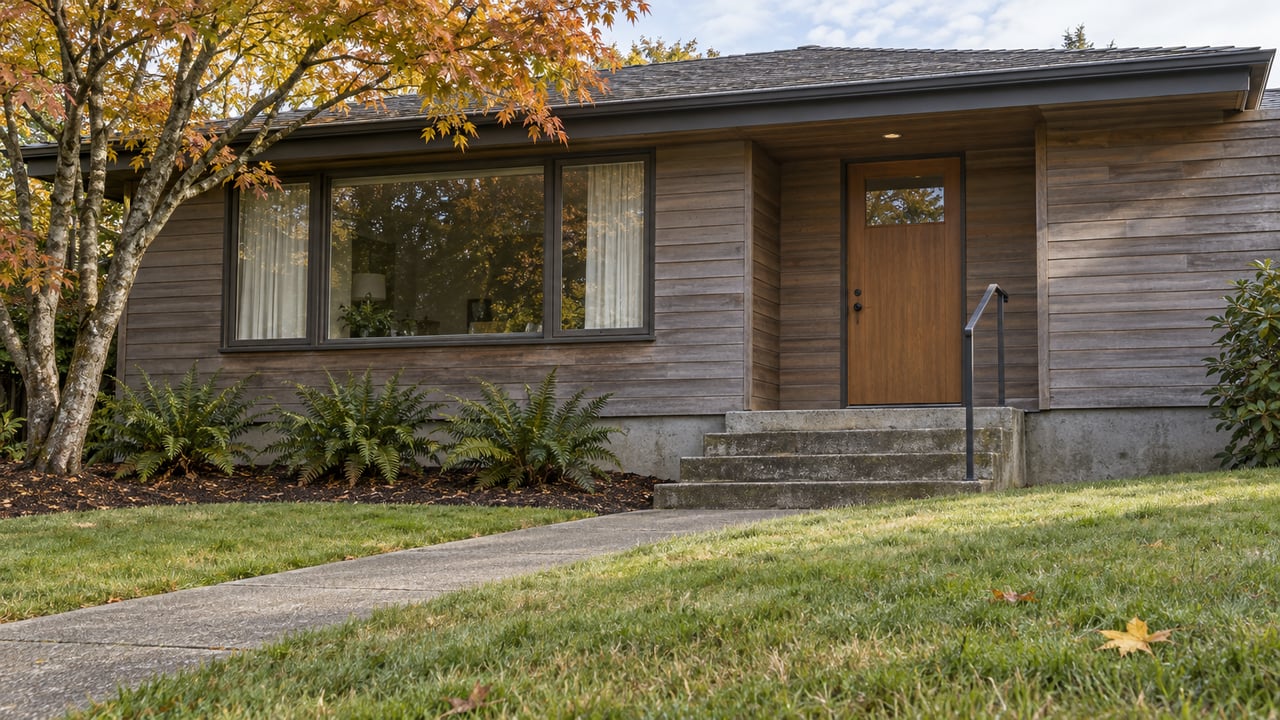
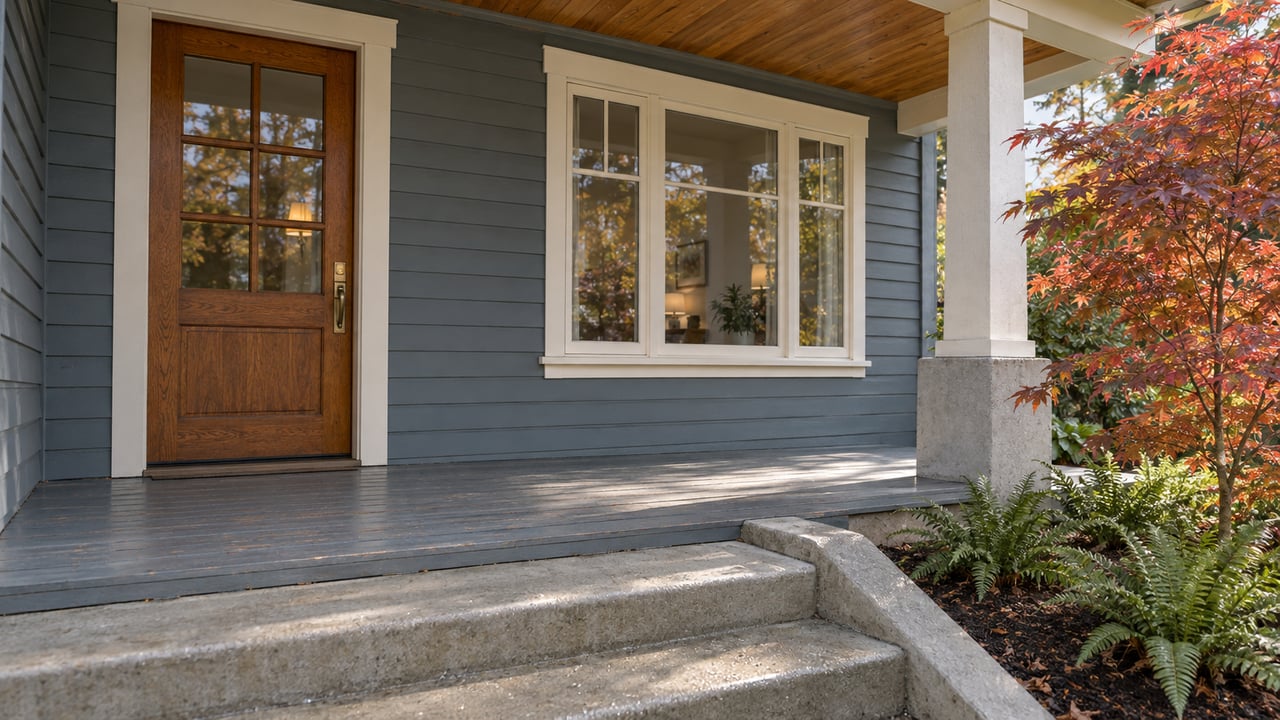
The same practical logic shows up in remodeling data. NAR’s 2025 Remodeling Impact Report found that the highest cost recovery came from a new steel front door at 100%, closet renovation at 83%, and new fiberglass front door at 80%. Realtors most often recommended painting the entire home, painting a single interior room, and installing new roofing before listing.
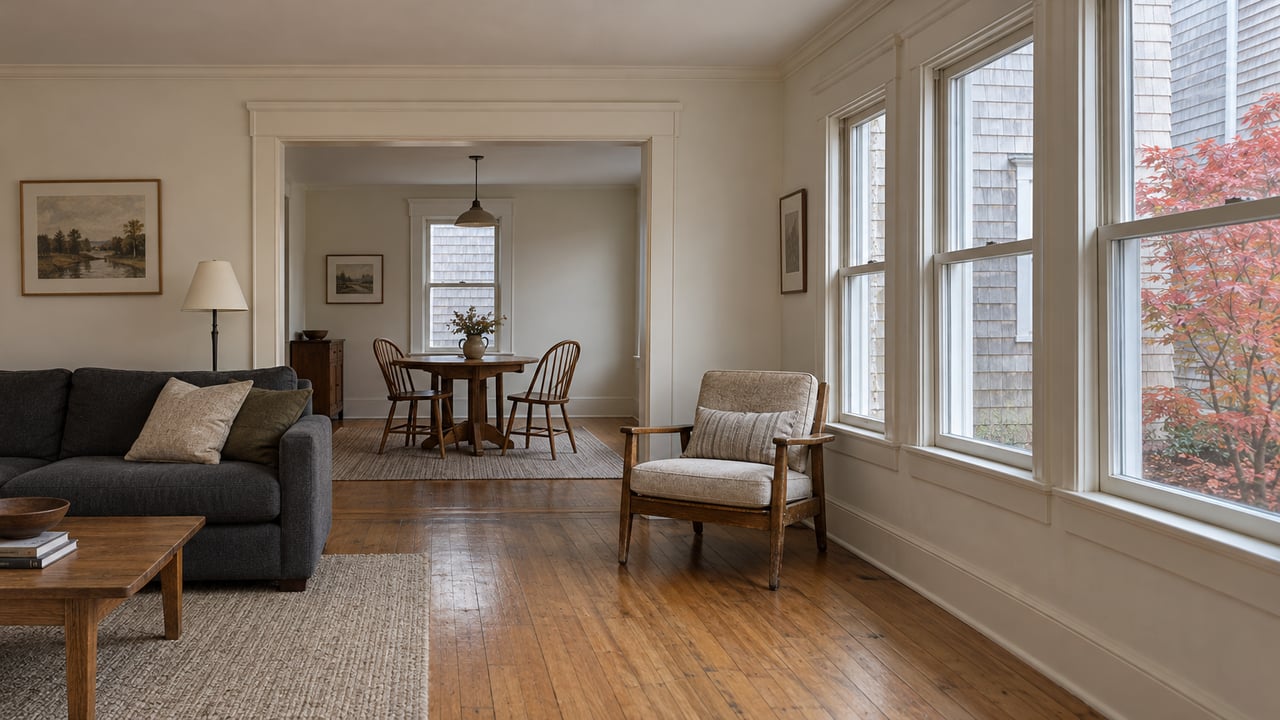
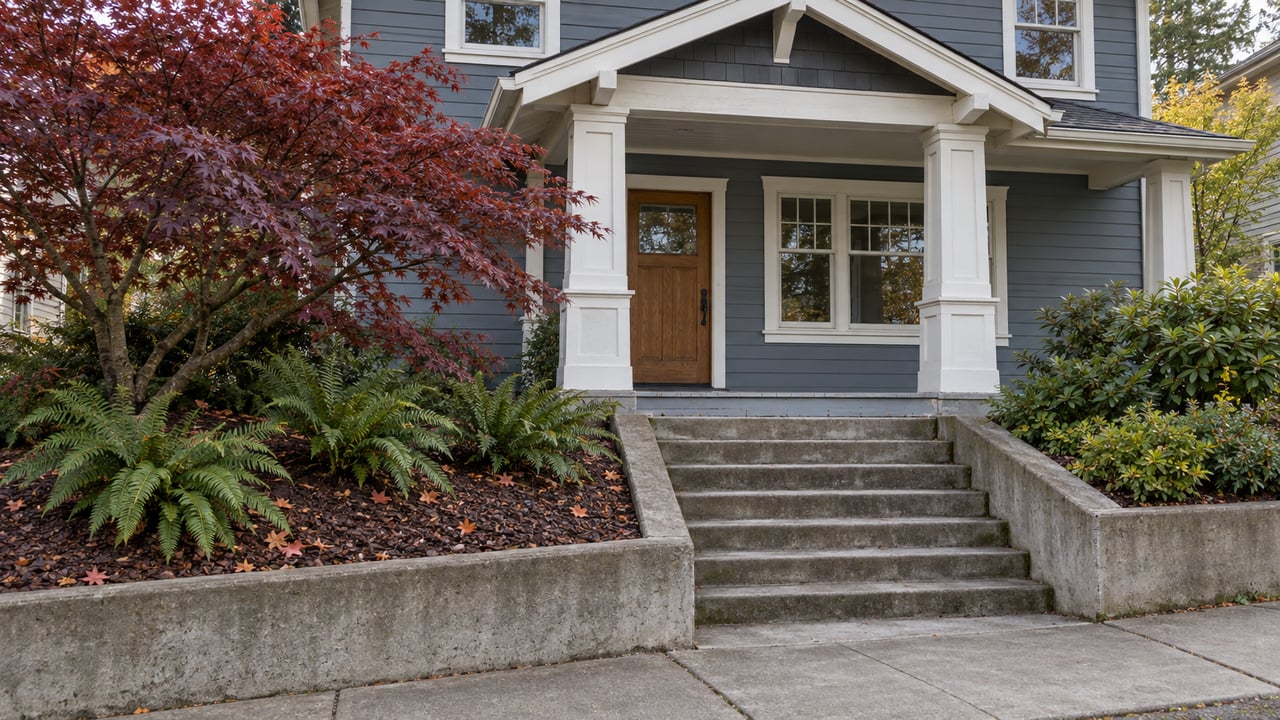
For most sellers, the message is simple: put your money where buyers will see it and feel it. Clean lines, fresh paint, working systems, and a strong first impression usually do more than an expensive remodel that you may not fully recover.
Prep projects worth considering
If you are deciding where to spend before listing, these are often the most practical places to start:
- Fresh interior paint where needed
- Front door improvement or replacement
- Minor hardware and lighting updates
- Closet organization
- Deep cleaning
- Decluttering and depersonalizing
- Living room, primary bedroom, and dining room staging
- Repairing obvious deferred maintenance
If you do hire contractors, treat that work as a real project. NAR recommends interviewing at least three contractors, gathering bids, and confirming the scope, cost, timeline, permits, licensing, and insurance in writing. That kind of planning is one more reason sellers benefit from starting early.
Price strategy matters more as inventory rises
When inventory is low, the market can sometimes forgive weak pricing. When inventory rises, buyers gain more options and become more price-aware. That is why timing the sale of your Ballard home is not just about the calendar. It is also about entering the market with a price that matches the competition and supports early momentum.
Ballard’s June 2026 numbers show a healthy market, but they also suggest buyers are not operating in panic mode. They can compare layout, condition, and value across multiple listings. If your home is priced too aggressively, you may lose the benefit of the first week on market, which is often when a listing gets the most attention.
A smart strategy is to pair timing with honest positioning. That means looking closely at current Ballard competition, not just older neighborhood sales or citywide headlines. The goal is to launch at a price that attracts serious buyers quickly and gives your home the best chance to stand out.
Plan your move before you list
If you also need to buy another home, timing your sale gets more complex. The most important step is to decide on your transition plan before your home goes live. Waiting until offers arrive can limit your flexibility and create extra pressure.
Real estate contracts can include tools such as financing contingencies, home sale contingencies, home close contingencies, rent-back agreements, continue-to-show clauses, and kick-out clauses. For sellers, one of the most useful options can be a negotiated rent-back, which allows you to remain in the home for a period after closing if the buyer agrees.
Closing timing also matters. Buyers must receive the Closing Disclosure at least three business days before closing, and CFPB data has shown a median of 44 days from mortgage application to closing. For a seller who also needs to purchase another home, that supports planning for roughly a one- to two-month cushion from accepted offer to final possession.
Questions to answer before listing
Before you launch your Ballard home, make sure you know:
- Do you need sale proceeds to buy your next home?
- Would a rent-back help you move more smoothly?
- What closing date works best for your next step?
- Do you need a gap between closing and possession?
- Are you prepared to negotiate timing terms along with price?
These details can have a major impact on how manageable the move feels. A strong offer is not just about the top number. It is also about how well the full package fits your real-life timeline.
What timing really means in Ballard
The best time to sell your Ballard home is usually when three things line up: the market window, the home’s condition, and your move plan. For many sellers, the strongest seasonal opportunity comes in late March to early April. But that advantage only works if the home is ready and your transition strategy is already in place.
In today’s Ballard market, sellers still have a meaningful edge. At the same time, rising inventory means buyers can be more selective, so strong outcomes depend on thoughtful prep, disciplined pricing, and a clear launch plan. If you start early and focus on the improvements that buyers notice most, you give yourself the best chance to sell with confidence.
If you are thinking about when to list, the most useful first step is to map out your timeline now. A clear plan can help you decide what to fix, what to skip, and when to bring your home to market for the best possible result. If you want thoughtful guidance on pricing, prep, and timing in Ballard, connect with Samie Bryan.
FAQs
When is the best time to list a Ballard home?
- For Seattle sellers, late March to early April is often the strongest window. Realtor.com identified March 29 to April 4 as Seattle’s best week to sell in 2026.
How far in advance should you prepare a Ballard home for sale?
- If you need contractor work, plan in terms of weeks rather than days. If your prep is mostly cleaning, decluttering, touch-up paint, and staging, the timeline may be shorter.
Should you remodel before selling a Ballard home?
- Usually, smaller high-visibility improvements and staging make more sense than a major remodel unless there is a specific problem that needs to be fixed before listing.
Is Ballard still a seller’s market?
- Yes. June 2026 data showed Ballard as a seller’s market, with 2.71 months of inventory in the Ballard/Greenlake NWMLS area and a 100% sale-to-list ratio reported by Realtor.com.
What if you need to buy another home after selling in Ballard?
- You may be able to use tools such as a home sale contingency, a negotiated closing and possession gap, or a rent-back agreement, depending on the terms a buyer accepts.