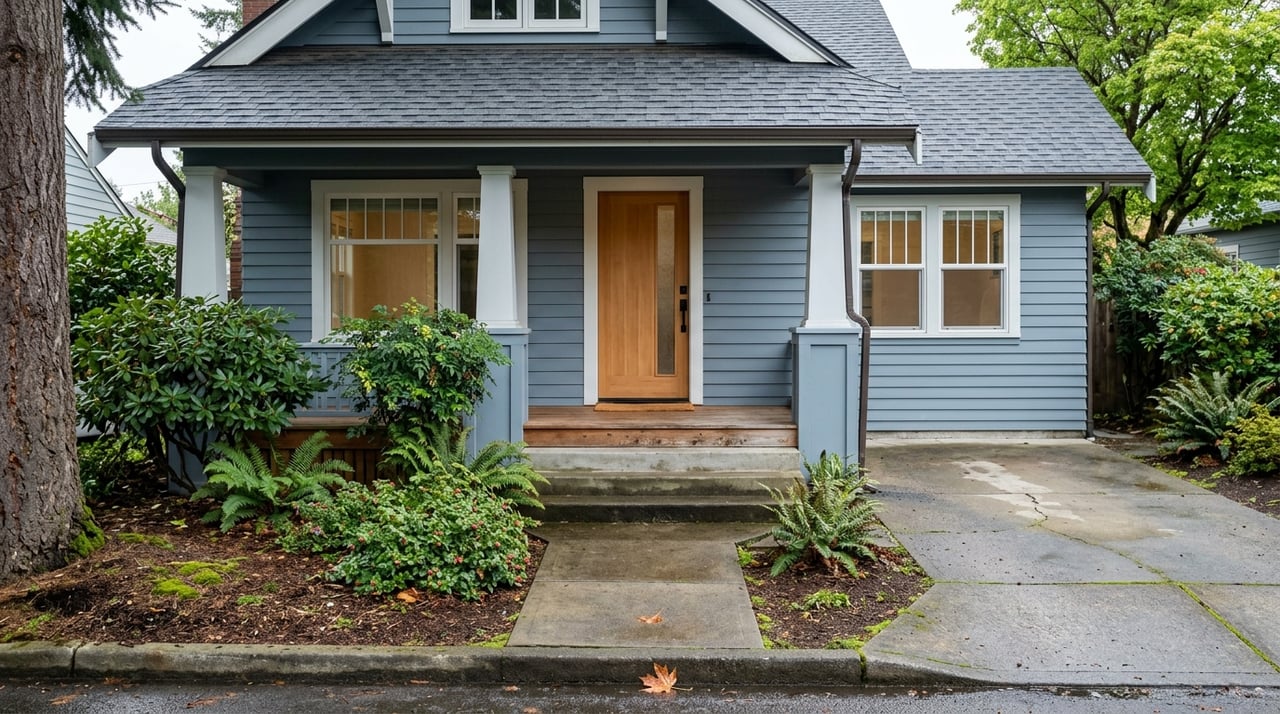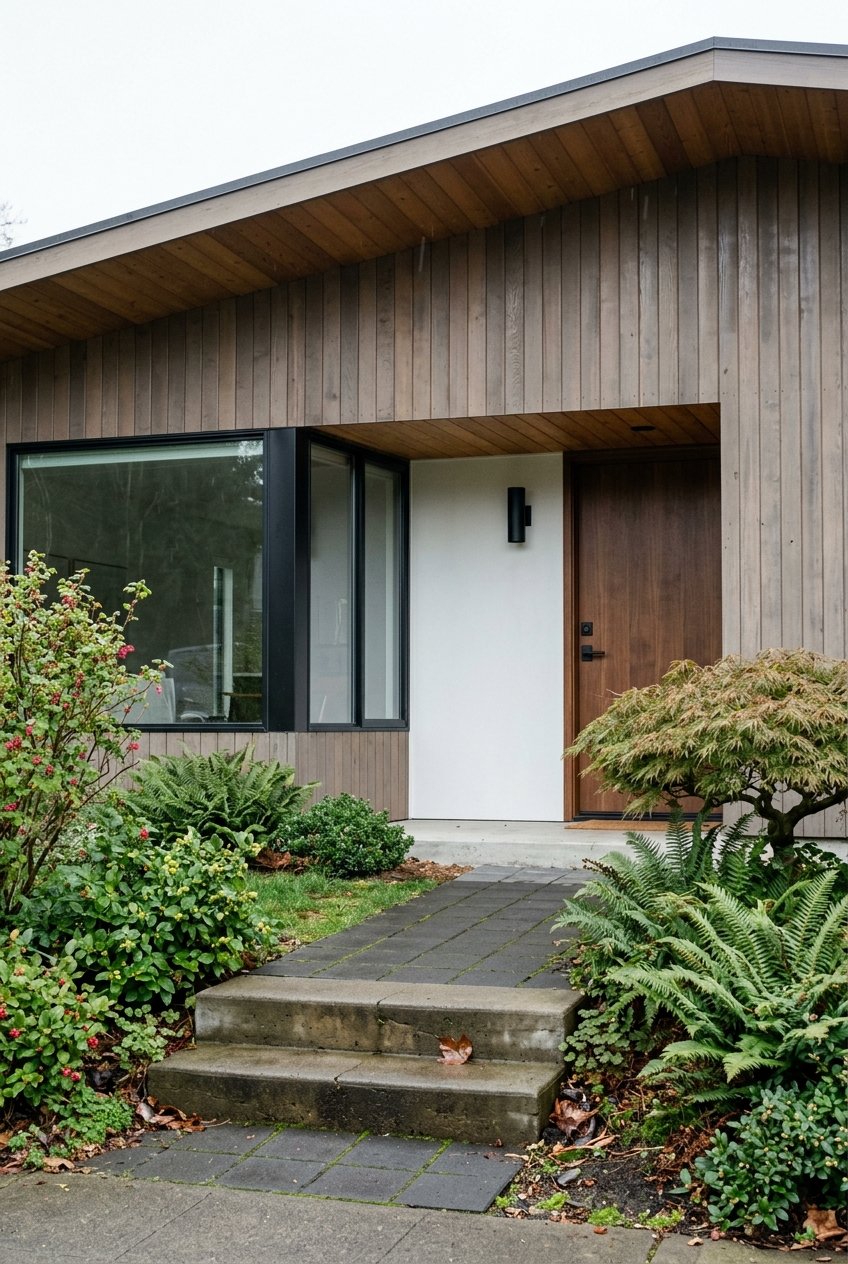
Trying to choose between Shoreline and Northwest Seattle? It can feel like a tradeoff between price, commute, space, and neighborhood feel, especially when Ballard, Broadview, and Phinney Ridge each offer something different. If you want to make a smart move without guessing, it helps to compare how these areas actually differ in housing, transit, and market pressure. Let’s break it down.
Start With the Big-Picture Difference
At a high level, Shoreline is the more suburban option, while Ballard, Broadview, and Phinney Ridge each sit further along the urban spectrum. Shoreline’s housing base is still primarily detached homes, and the city says more than 70% of housing units are single-family. It also has older housing stock overall, with about 54% of homes built before 1970.
Northwest Seattle is more varied. Ballard mixes single-family homes, multifamily buildings, and commercial uses. Phinney Ridge, especially around the Greenwood-Phinney urban village core, is more compact and mixed-use, while Broadview remains primarily residential with some nearby low-rise transition areas along Greenwood Avenue North.
That means your decision is not just about north versus south. It is really about how much density, convenience, and urban activity you want in your day-to-day life.
Compare Price Points First
For many buyers, budget narrows the list quickly. In this comparison, Shoreline sits at the lowest median sale price, while Phinney Ridge is the highest.
| Area | Median Sale Price | Year-Over-Year Change |
|---|---|---|
| Shoreline | $760K | -12.2% |
| Ballard | $890K | +6.6% |
| Broadview | $950K | -6.9% |
| Phinney Ridge | $1.4M | +5.8% |
These figures are directional, since Shoreline is a citywide market and the others are neighborhood-level comparisons. Still, the spread is meaningful. If you want the lowest median entry point in this group, Shoreline stands out.
If your budget stretches further and you are prioritizing a more compact, urban environment, Ballard and Phinney Ridge may stay in play. Broadview often lands in the middle, offering a Northwest Seattle address with a more residential feel than Ballard or Phinney Ridge.
Look at Competition and Speed
Price is only part of the story. Market pace can affect how quickly you need to act and how aggressive your offer strategy may need to be.
Shoreline homes receive about 3 offers on average and sell in around 11 days. Ballard homes receive about 2 offers on average and sell in roughly 22 days, while Broadview homes sell in about 17 days. Phinney Ridge is the tightest market in this set, with homes selling in about 6 days and often closing around 9% above list price.
If you are a buyer who wants a little more breathing room, Ballard and Broadview may feel less compressed than Phinney Ridge. If you are a seller, that same data can shape pricing and prep decisions in very different ways depending on where the property sits.
Shoreline’s Edge: Rail and Space
Shoreline has the clearest rail advantage in this comparison. The city is about 10 miles from downtown Seattle, and Link light rail now serves Shoreline at North/185th and South/148th. Sound Transit describes Link service as immune from traffic, which can matter if you want a more predictable commute.
That rail access also makes Shoreline useful if your routine is not only Seattle-focused. The current network includes service patterns connecting Lynnwood, Federal Way, and Downtown Redmond, which can help if you split time between Seattle and the Eastside.
From a housing perspective, Shoreline still reads as the most suburban choice here. Detached homes dominate the mix, though newer townhomes and multifamily housing have clustered near the light-rail corridor and Town Center. If you want more space and a lower median price than the Seattle neighborhoods in this comparison, Shoreline has a strong case.
Ballard’s Strength: Urban Balance
Ballard often appeals to buyers who want a fuller city-neighborhood experience without moving into a more central Seattle setting. It has a historic main-street identity, a broad housing mix, and a transit pattern centered around RapidRide D service to downtown Seattle. King County Metro says the D Line connects Ballard and Crown Hill with downtown and runs every 10 to 15 minutes most of the day.
Ballard’s housing stock also gives you more variety than Shoreline. Seattle materials describe a pattern that includes single-family homes, multifamily dwellings, and commercial buildings, with a mix of older cottages, builder’s houses, and newer development. That gives buyers more paths depending on whether you want a house, townhouse, or multifamily-adjacent setting.
If your goal is balance, Ballard is often the middle-ground option. It is more urban than Shoreline and Broadview, but generally less premium-priced than Phinney Ridge.
Broadview’s Appeal: Residential and Quiet
Broadview fits buyers who want a more residential Northwest Seattle setting without as much commercial intensity nearby. Seattle documents describe it as primarily residential, with buildings that reflect the eras in which they were built. It also sits in a transition area near low-rise development on Greenwood Avenue North.
Its commute pattern is bus-based rather than rail-based. Broadview is served by Metro routes 5, 28, 345, and 355, and city work in the area has emphasized safer walking and biking connections. For some buyers, that makes Broadview a practical compromise between neighborhood calm and access to the rest of the city.
Broadview also benefits from access to major open space nearby, including Carkeek Park. If you want a quieter setting and still want to stay within Northwest Seattle, this area deserves a close look.
Phinney Ridge’s Draw: Compact and Premium
Phinney Ridge is the most urban-feeling and most expensive option in this group. The Greenwood-Phinney urban village core is zoned almost entirely for mixed use and limited commercial development, with the remaining area zoned for multifamily housing. Within that village area, there is no single-family zoning.
That planning pattern helps explain why Phinney Ridge feels tighter, more walkable, and more compact than Shoreline or Broadview. It also helps explain the price premium. Buyers here are often paying for proximity, mixed-use surroundings, and a more active street environment rather than maximizing square footage per dollar.
Transit and trail access also shape the neighborhood’s appeal. Phinney Ridge is served by Route 5 via Greenwood Avenue North to downtown Seattle, and the 6th Avenue Northwest greenway provides a direct access point to the Burke-Gilman Trail. If walkability and a compact neighborhood pattern matter most, Phinney Ridge may justify the higher cost.
How to Match the Area to Your Priorities
The best choice depends on what you value most in your next move. A simple way to think about it is to match your budget and lifestyle priorities to each area’s core strengths.
Choose Shoreline if you want
- A lower median price than the Northwest Seattle options in this comparison
- More traditional suburban housing patterns
- Link light rail access
- A setting with more detached homes and more room to spread out
Choose Ballard if you want
- An urban neighborhood feel with strong day-to-day convenience
- A mix of housing types
- Frequent bus service to downtown
- A middle-ground option between suburban and highly compact living
Choose Broadview if you want
- A quieter residential setting in Northwest Seattle
- Access to parks and open space
- A bus-connected location without Ballard’s denser commercial core
- A neighborhood that feels more low-key than Phinney Ridge or Ballard
Choose Phinney Ridge if you want
- The most compact and urban-feeling option in this group
- A mixed-use village setting
- Strong walkability and trail access
- A premium location, even if that means paying more per square foot
What This Means for Buyers and Sellers
If you are buying, this comparison can help you avoid focusing only on list price. A lower price in Shoreline may buy you more space and rail access, while a higher price in Phinney Ridge may buy you a very different daily experience. Ballard and Broadview sit between those two ends, but for different reasons.
If you are selling, the same differences matter when positioning your home. Buyers are not just comparing bedrooms and bathrooms. They are comparing commute style, housing type, neighborhood pattern, and how far their budget goes in each area.
This is where local context really matters. In Northwest Seattle and Shoreline, small differences in built form, transit access, and housing mix can change how a property is perceived and priced.
If you want help sorting through Shoreline, Ballard, Broadview, or Phinney Ridge, Samie Bryan brings a practical Northwest Seattle perspective shaped by residential sales, renovation strategy, and long-term ownership analysis.
FAQs
How does Shoreline compare to Ballard for home prices?
- Shoreline has the lower median sale price in this comparison, at about $760K versus Ballard at about $890K.
How does Shoreline compare to Phinney Ridge for commute options?
- Shoreline has the clearest rail advantage because Link light rail serves stations at North/185th and South/148th, while Phinney Ridge relies on bus and bike connections.
What kind of housing is most common in Shoreline?
- Shoreline is primarily residential, and the city says more than 70% of its housing units are single-family, with newer townhomes and multifamily homes concentrated near the light-rail corridor and Town Center.
Is Broadview more residential than Ballard?
- Yes. Seattle materials describe Broadview as primarily residential, while Ballard has a broader mix of single-family, multifamily, and commercial uses.
Why is Phinney Ridge usually more expensive?
- Phinney Ridge is the most compact, mixed-use, and urban-feeling option in this comparison, and that combination aligns with the highest median sale price of the group.
Which area is the most competitive for buyers right now?
- Phinney Ridge is the tightest market in this set, with homes selling in about 6 days and often around 9% above list price.