Thinking about a move north of Seattle but not ready to give up convenience, green space, or neighborhood character? Shoreline stands out because it offers a more residential feel, easy access to parks and the Puget Sound shoreline, and direct light rail service into Seattle. If you are trying to picture what day-to-day life actually feels like here, this guide will help you understand the housing mix, commute options, outdoor lifestyle, and overall pace of the city. Let’s dive in.
Shoreline at a Glance
Shoreline sits in north King County on Puget Sound, directly south of Seattle. The city covers 11.74 square miles and had an estimated population of 66,251 as of July 1, 2024. That growth puts it about 13.0% above its 2020 census count, which shows that more people are choosing Shoreline as a place to put down roots.
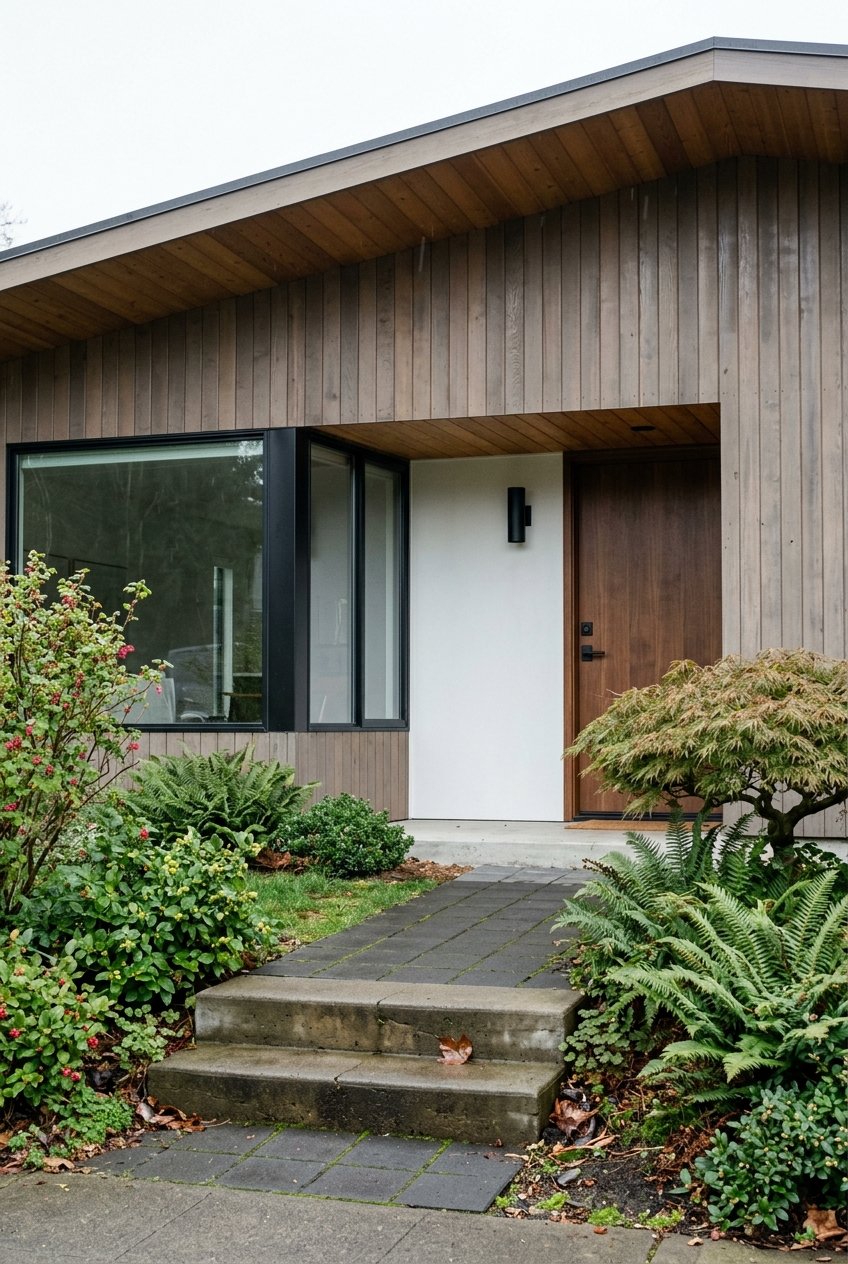
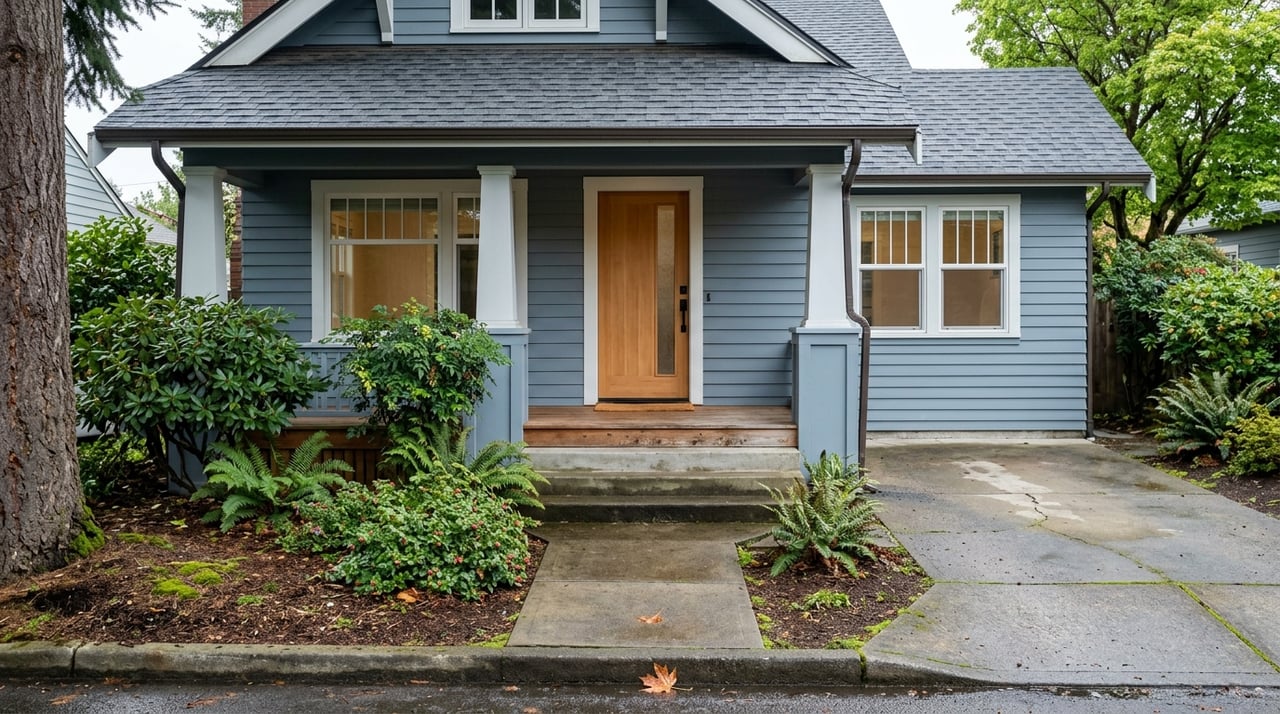
The city describes itself as primarily residential, and the numbers support that. More than 70% of households are single-family households, and Census QuickFacts shows a 66.3% owner-occupied rate. In practical terms, that means Shoreline often feels more settled and neighborhood-driven than places built around a dense rental core.
Neighborhood Feel in Shoreline
One of the first things you may notice about Shoreline is that it does not feel like one single, uniform market. The city supports participation in 14 neighborhood associations, including areas like Richmond Beach, Ridgecrest, Echo Lake, North City, Meridian Park, and Innis Arden. That local structure helps reinforce the idea that people often experience Shoreline through the lens of a specific pocket rather than the city as a whole.
For you as a buyer or future resident, that matters. Some parts of Shoreline may feel quieter and more rooted in detached homes, while others are evolving around transit, shopping, and new housing types. The result is a city with variety, but still a fairly consistent residential identity.
Housing Options Are Expanding
Shoreline is still closely associated with detached homes, but the housing story is changing in a measured way. The city adopted its 20-year Comprehensive Plan in December 2024 and followed with development code and zoning map updates in January 2025. Those updates point to long-term growth that is more focused around key centers and transit access.
The city identifies four countywide growth centers:
- 148th Street Station Area
- 185th Street Station Area
- Shoreline Place
- Town Center
These are the places where Shoreline expects more housing, jobs, shopping, and transit activity to concentrate. At the same time, the city has stated that middle housing such as duplexes and triplexes is meant to add housing diversity while remaining compatible with areas dominated by single-family homes.
If you are house hunting, this means you may find a broader range of choices than Shoreline was known for in the past. If you already own property, it also means some locations may see long-term value shaped by proximity to transit and evolving land use.
Cost and Ownership Snapshot
Shoreline reads as an established ownership market more than a renter-heavy one. Census QuickFacts lists a median owner value of $811,100 and a median gross rent of $1,985. Those figures do not tell the whole story of any one property, but they do help frame Shoreline as a city where ownership plays a major role.
For buyers, that can signal a market where long-term housing decisions matter. For sellers or owners, it reinforces the value of understanding not just today’s pricing, but also how location, condition, and future neighborhood changes may affect your property over time.
Outdoor Life Is a Big Part of Living Here
Shoreline has a strong everyday connection to the outdoors. The city says it has more than 400 acres of park land and open space, including saltwater shoreline, trails, athletic fields, courts, playgrounds, and even a botanical garden. That is a big part of what gives Shoreline its lifestyle appeal.
This is not just about having a park nearby. It is about how outdoor space becomes part of your weekly routine, whether that means a morning walk, an afternoon at the beach, or a weekend trail outing without leaving the city.
Parks That Shape Daily Life
Several parks help define what living in Shoreline feels like. Richmond Beach Saltwater Park offers open water access, trails, picnic shelters, a playground, public art, and a reservable terrace with views. Boeing Creek Park brings a more natural setting with unpaved trails, while Shoreview Park includes fields, tennis, pickleball, playgrounds, and trails.
Park at Town Center adds another layer with paved trails and public art. Taken together, these spaces show that Shoreline offers both active recreation and quieter places to reset. If outdoor access matters to you, Shoreline has real depth in that category.
Climate Supports an Active Routine
Shoreline’s climate also plays into its lifestyle. The city describes it as marine west coast, with warm but not hot summers, cool but not cold winters, about 38 inches of rainfall mostly in winter, and summer highs in the 70s. That weather pattern tends to support a lifestyle built around getting outside when the dry season arrives, without dealing with extreme heat.
In everyday terms, summer can feel especially livable here. Beach visits, farmers market stops, and trail walks fit naturally into the rhythm of the season.
Commuting From Shoreline to Seattle
For many people, Shoreline’s location is one of its biggest selling points. Downtown Seattle is about 10 miles away, which makes the city appealing if you want access to Seattle without living in its more urban core. The commute story has become even stronger with the arrival of light rail.
Sound Transit’s 1 Line began revenue service between Lynnwood City Center and Angle Lake on August 30, 2024. Shoreline is served by two stations, Shoreline North/185th and Shoreline South/148th, and the line continues through Seattle stations including Northgate, Roosevelt, U District, Westlake, Symphony, and Pioneer Square. That gives you a direct transit option into central Seattle without relying entirely on a car.
Station Access and Connections
Both Shoreline light rail stations are designed to support park-and-ride use and bus transfers. Shoreline North/185th has 494 parking spaces and connections to Community Transit Swift Blue and King County Metro routes 348 and 365. Shoreline South/148th has 500 parking spaces and connections to Metro routes 65, 333, 345, 346, 365, and 988.
That matters because convenience is not just about having a station nearby. It is also about whether the system works with the way people actually move through a region. Shoreline’s station setup makes it easier to blend driving, buses, and rail into one commute pattern.
A More Transit-Oriented Future
Shoreline is still evolving around this new transit infrastructure. The city noted in April 2026 that work on the 145th Street corridor and I-5 interchange was still underway to improve multimodal access to the Shoreline South/148th station. That tells you Shoreline is not just enjoying the benefits of transit access today, but also continuing to build around it.
For buyers thinking long term, that can be important. Areas near major transit investments often see changes in convenience, activity, and housing choices over time.
What Daily Life Often Feels Like
If you had to sum up Shoreline in a few words, a fair description would be established neighborhoods, outdoor access, and improving transit connections. It feels residential first, but not isolated. You can spend time in parks, get to the shoreline, run your daily routine close to home, and still connect into Seattle fairly easily.
That balance is a big reason Shoreline appeals to a wide mix of buyers. Some people are looking for a more settled neighborhood feel. Others want proximity to Seattle with a bit more breathing room. Shoreline can make sense for both, especially if you value long-term livability over short-term buzz.
Why Shoreline Appeals to Buyers
Shoreline tends to attract buyers who want a practical mix of location and lifestyle. You are close enough to Seattle for work, entertainment, and regional access, but you also get a city with more residential texture and strong park access. The addition of light rail has made that tradeoff even more compelling.
From a real estate perspective, Shoreline is also worth a closer look because it is not static. Growth centers, middle housing, and transit-linked development are gradually reshaping parts of the city. If you are buying with an eye on long-term value, that kind of change deserves thoughtful analysis.
A Smart Way to Evaluate Shoreline Real Estate
If you are considering Shoreline, it helps to look beyond surface-level impressions. A home’s location relative to parks, transit, neighborhood identity, and future growth areas can all shape its usefulness and long-term value. The same is true for condition, renovation potential, and how a property fits your broader goals.
That is where a practical, local lens matters. Whether you are buying your next home, preparing to sell, or thinking about a property as a long-term asset, it helps to work with someone who can evaluate not only what a home is today, but what it could become.
If you want help making sense of Shoreline from both a lifestyle and real estate perspective, connect with Samie Bryan. He brings Seattle-area market knowledge, renovation insight, and long-term ownership strategy to help you make a smart move.
FAQs
What is Shoreline like for everyday living?
- Shoreline is a primarily residential city with established neighborhoods, more than 400 acres of parks and open space, access to Puget Sound shoreline areas, and direct light rail service into Seattle.
Is Shoreline a good option for commuting to Seattle?
- Yes. Shoreline is about 10 miles from downtown Seattle and is served by two 1 Line light rail stations, along with Metro Transit, Community Transit, and park-and-ride connections.
What types of homes are common in Shoreline?
- Shoreline has a strong base of detached homes and single-family households, but the city is also planning for more housing variety, including duplexes and triplexes, especially near growth centers and transit areas.
Does Shoreline have a strong outdoor lifestyle?
- Yes. The city offers more than 400 acres of park land and open space, including trails, fields, courts, playgrounds, shoreline access, and well-known parks like Richmond Beach Saltwater Park and Shoreview Park.
Is Shoreline changing as a housing market?
- Yes. Shoreline adopted an updated Comprehensive Plan in 2024 and zoning changes in 2025 that focus growth around the 148th Street Station Area, 185th Street Station Area, Shoreline Place, and Town Center.