Buying an older home in Broadview can be a smart move, but it pays to look beyond charm. Many homes here offer larger lots, mature trees, and the kind of character that draws buyers to Northwest Seattle in the first place. At the same time, Broadview’s housing stock and site conditions mean you need to evaluate more than paint colors and staging. This guide will help you understand what to look for, what to investigate, and how to make a more confident decision. Let’s dive in.
Why Broadview older homes stand out
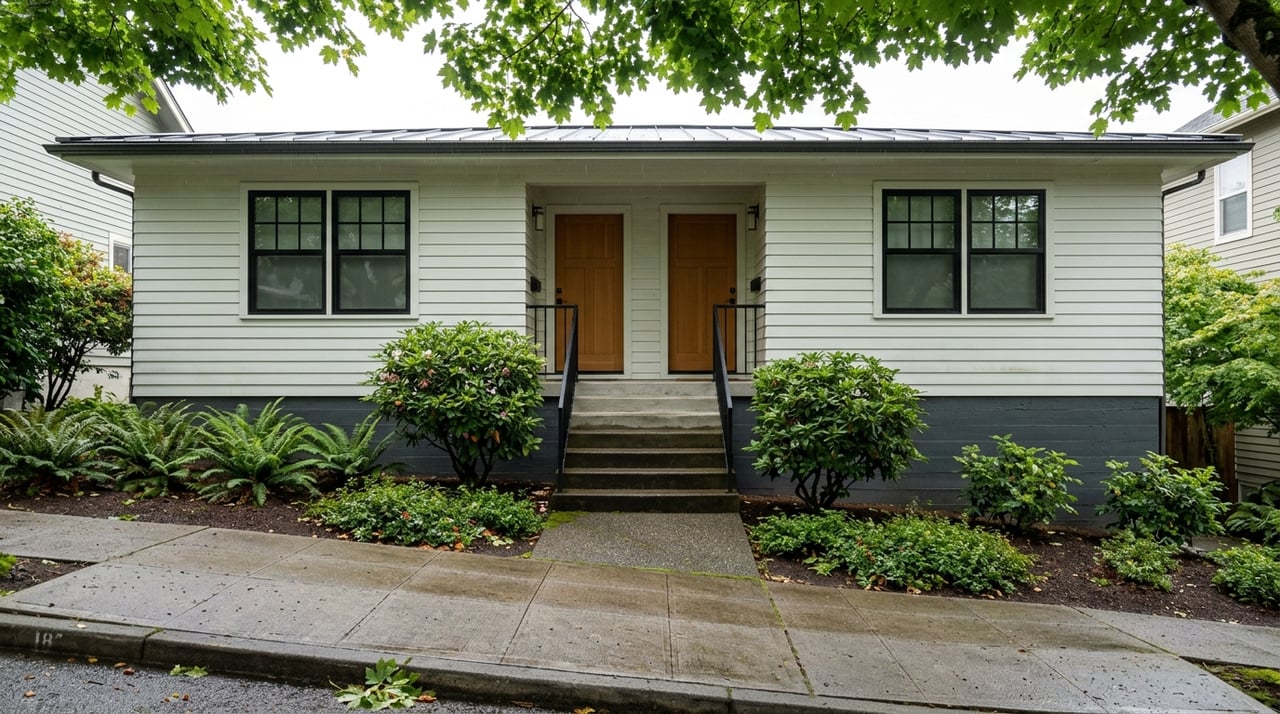
Broadview is known for detached single-family homes, and much of the neighborhood’s housing dates to the mid-century era. Commercial neighborhood data points to a median year built of 1952, while other neighborhood data shows many homes were built between 1940 and 1969. That means when you shop in Broadview, you are often looking at homes that have already gone through several decades of repairs, remodels, and system changes.
That age range matters because Broadview is not a one-era neighborhood. Seattle historic-site records from the broader area show a mix of prewar, postwar, and later-remodeled homes. In practical terms, two houses with similar square footage can have very different construction details, maintenance history, and future costs.
Focus on site conditions first
In Broadview, the lot can matter just as much as the house. Seattle Utilities identifies Broadview as an area with a history of sewer and drainage problems tied to high groundwater, poor-draining soils, a steep bluff to the west, limited formal drainage systems, and aging sewer pipes. If you are comparing homes here, site performance should move near the top of your checklist.
This is especially important because water issues are not always obvious during a quick showing. A home may look clean and updated inside while still sitting on a lot with recurring drainage concerns. In many older Broadview purchases, long-term satisfaction depends more on how the property handles water than on how recently the kitchen was remodeled.
Ask detailed drainage questions
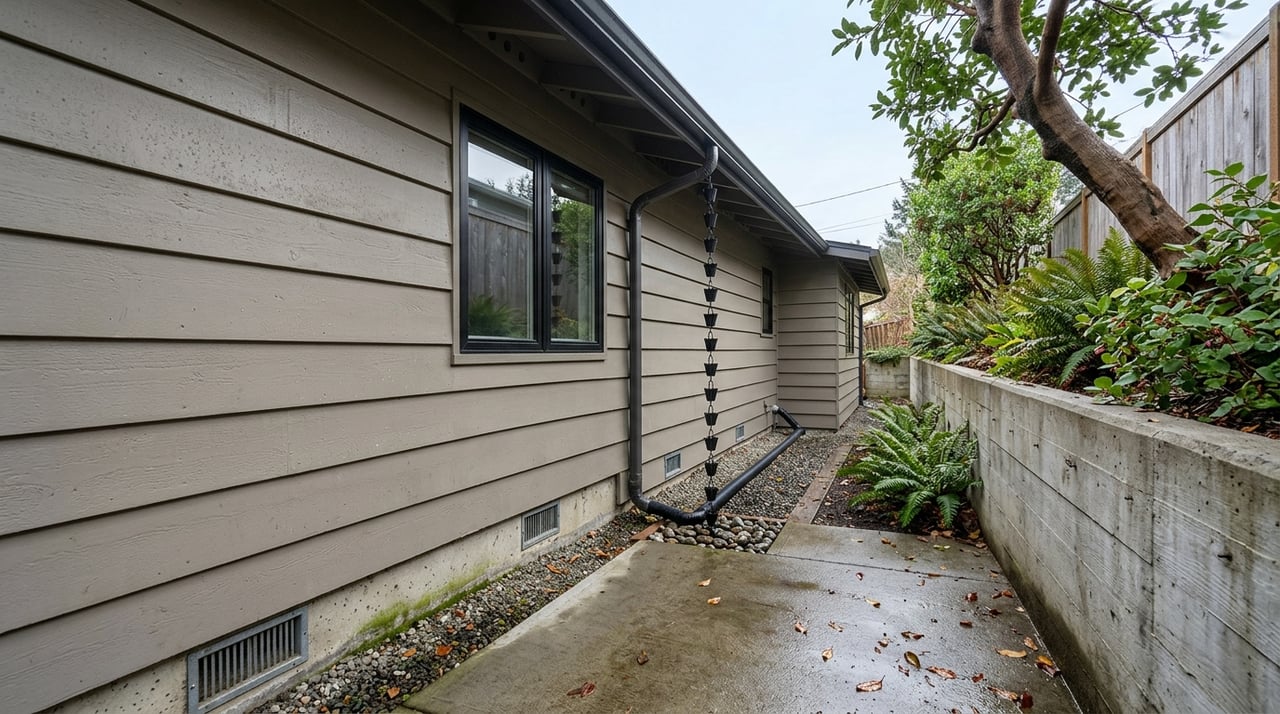
Before removing contingencies, try to confirm whether the seller has records for drainage work, side-sewer repairs, sump systems, or past stormwater issues. Seattle notes that winter storms can overload the sewer system when stormwater and groundwater enter through roof gutters, area drains, sump pumps, or cracks in side sewers. That makes the property’s drainage setup and repair history especially relevant.
You should also pay attention to the yard itself. Standing water, soggy soil, heavy moss, or signs of erosion can point to broader site issues. In Broadview, documented drainage performance often tells you more than surface-level cosmetic condition.
Watch slopes and bluff proximity
Some Broadview properties sit on or near steep topography. Seattle’s landslide study identifies a Broadview Stability Improvement Area with steep slopes and recorded landslides on west-facing bluffs and other steep sites. Landslide risk tends to increase when soils are saturated during wet winters and early spring storms.
That does not mean every sloped property is a problem. It does mean you should evaluate slope-related risk on a parcel-by-parcel basis. If a home is on a bluff, near a steep drop, or has major retaining elements, it is worth taking a closer look before you commit.
Look past the finishes
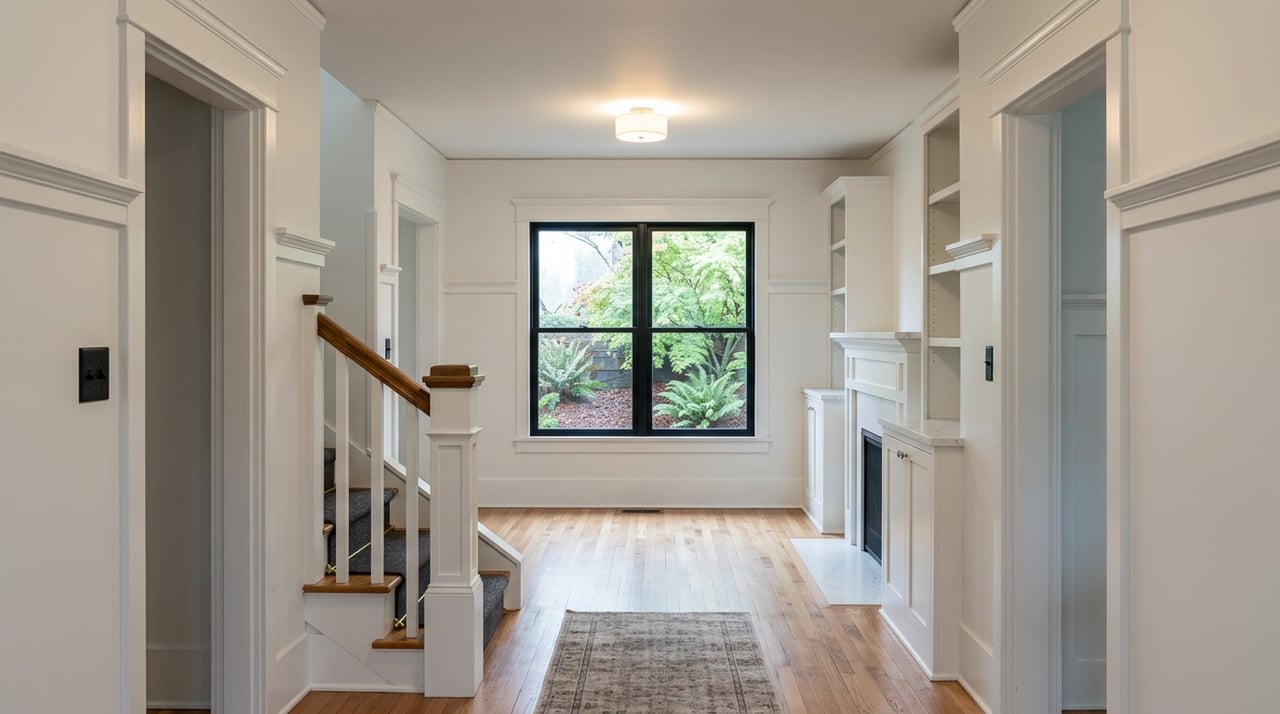
Older Broadview homes can be beautifully updated, but fresh finishes do not always tell you what matters most. In many Seattle homes, insulation, air sealing, drainage, and structural work deserve attention before cosmetic upgrades. A smart purchase decision starts with the bones of the house.
This is where local, practical analysis matters. You want to know not only how the home looks today, but also what may need attention over the next five to ten years. That is often the difference between buying a home with manageable projects and buying one with surprise costs.
Insulation and air sealing matter
Many older homes have less insulation than newer ones. The U.S. Department of Energy recommends checking attics, walls, and floors next to unheated spaces, which can be especially relevant in older Seattle homes. If the house feels drafty, has uneven room temperatures, or still has older doors and windows, comfort and energy efficiency may need work.
The same source notes that low-e exterior or interior storm windows can reduce heating and cooling costs by 12% to 33%, depending on the existing windows. Even if a home is structurally solid, energy updates can be part of your future ownership budget. In Broadview, where many homes date to the 1940s through 1960s, that is a common planning item.
Seismic upgrades deserve attention
Seattle provides an earthquake home retrofit permit path for common upgrades such as anchoring the home to the foundation, bracing the wall between the foundation and first floor, and connecting that wall to the first-floor framing. If a house has not been retrofitted, you may want to factor that into your long-term ownership plan. For homes outside the city’s prescriptive plan set, Seattle says a structural engineer is needed.
This is not always a reason to walk away from a property. It is often a reason to understand what is already in place and what may still be worth doing. For many buyers, especially those planning to stay long term, seismic planning is part of buying responsibly in Seattle.
Electrical updates are not cosmetic
Older electrical systems deserve careful review. Washington Labor & Industries says electrical work requires a permit and inspection, so older panels, wiring, or home additions should be evaluated by a licensed electrician. If parts of a house appear updated in pieces rather than as a coordinated whole, it is worth asking whether the work was permitted.
This matters because electrical issues are easy to underestimate during a showing. A new light fixture or updated outlet cover does not tell you much about the panel, wiring quality, or past modifications. In an older Broadview home, electrical review can be a high-value part of due diligence.
Build a layered inspection plan
A general home inspection is important, but it is not the same as a full diagnosis of an older property. Washington’s home inspector guidance says inspections are non-invasive, do not guarantee against future problems, and do not include checking every window or electrical outlet. For a Broadview purchase, that means a general inspection should often be the starting point, not the finish line.
A stronger approach is layered due diligence based on the home and site. The goal is to match the specialists to the real risks of the property you are considering.
Specialists that may be worth adding
Depending on the house, your due diligence team may include:
- A roof professional if the roof is older, complex, or has signs of wear
- A sewer or drainage specialist if the lot has water concerns or a history of backups
- A structural or geotechnical professional if the home sits on a slope, bluff, or landslide-prone area
- A licensed electrician if the panel, wiring, or additions look dated or inconsistent
In Broadview, this kind of targeted review can help you avoid making a decision based only on appearance. It can also give you a better sense of immediate repairs versus longer-term upgrades.
Check records before contingencies come off
Older homes usually come with a story, and records help you verify it. Before removing contingencies, try to confirm the year built, permit history, and any documented drainage, retaining-wall, seismic, or electrical work. This step can clarify whether improvements were done properly and whether known issues were addressed or simply covered up.
You should also consider future view and privacy changes. Seattle planning materials for the broader area note that views and wide single-family lots are valued neighborhood qualities, and Broadview’s mature trees and varied lot conditions mean two nearby homes can feel very different. If a view or private setting is part of the appeal, check how nearby trees, setbacks, and potential future development could affect that experience.
Views and privacy are highly site-specific
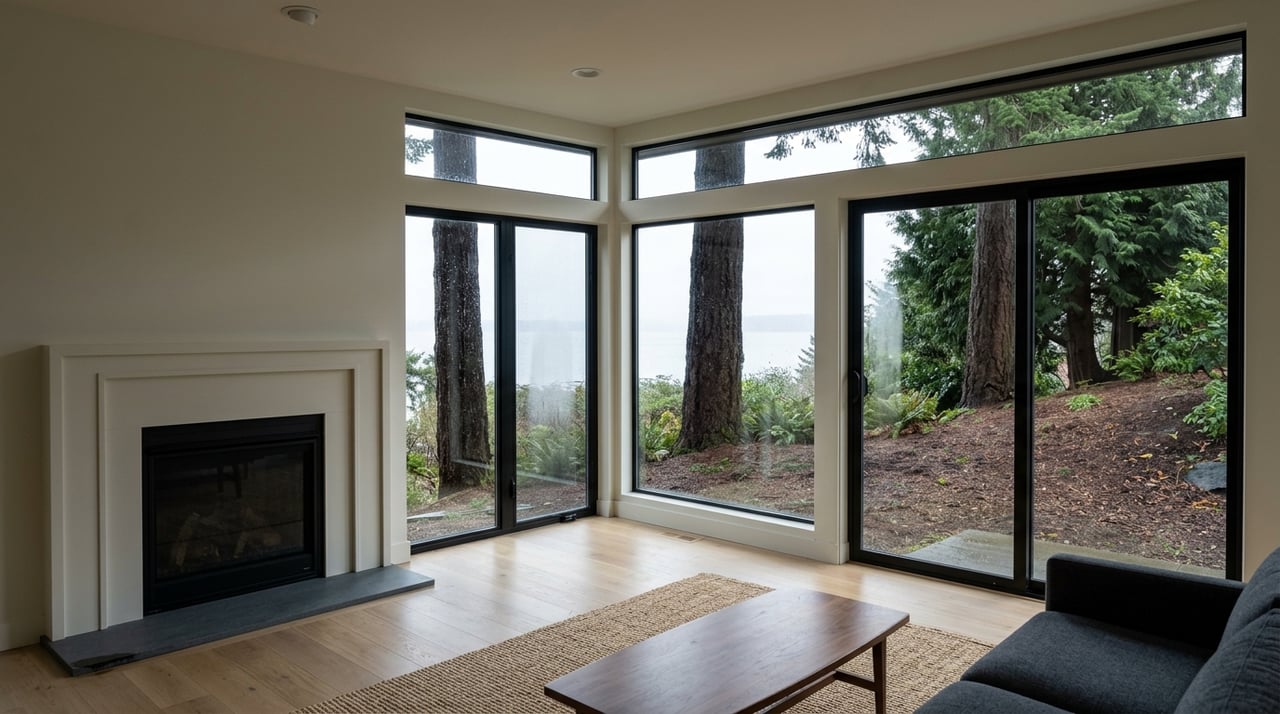
Broadview can offer west-facing outlooks, mature landscaping, and a sense of space that is hard to find in other Seattle neighborhoods. But these benefits vary greatly from one parcel to the next. A home on the same block can have a very different privacy profile, tree coverage, and outlook depending on elevation, lot shape, and neighboring structures.
That is why it helps to evaluate the property in person with a practical lens. Look at window placement, outdoor use areas, neighboring rooflines, and how the lot sits relative to the street and rear yard. In Broadview, privacy and views are real value drivers, but they are never automatic.
A smart Broadview buying framework
If you are serious about buying an older home in Broadview, focus on the issues that tend to matter most here:
- Site drainage: Ask how the property handles heavy rain and whether repairs are documented
- Slope conditions: Review bluff or steep-slope impacts on a lot-specific basis
- Structural readiness: Understand whether seismic retrofit work has been done
- Major systems: Look closely at electrical condition and permit history
- Energy performance: Budget for insulation, air sealing, and window or door improvements if needed
- Inspection depth: Add specialists when the site or systems call for it
- View and privacy: Verify what exists today and what could change over time
The right older home in Broadview can offer character, land, and long-term upside. The key is making sure the property works as well as it looks.
If you want a practical read on an older Broadview home, it helps to work with someone who understands both neighborhood nuance and renovation reality. Samie Bryan brings local Seattle experience, construction fluency, and long-term ownership perspective to help you evaluate not just the home you are buying, but the decisions that come with it.
FAQs
What should you look for when buying an older home in Broadview?
- Focus on drainage, slope conditions, inspection findings, electrical updates, insulation, seismic retrofit history, and permit records.
Why is drainage such a big issue for Broadview homes?
- Seattle Utilities says Broadview has a history of sewer and drainage problems due to high groundwater, poor-draining soils, aging pipes, steep topography, and limited formal drainage systems.
Does a general home inspection cover enough for an older Broadview house?
- Not always. Washington says home inspections are non-invasive and do not check every component, so older homes often benefit from added review by roof, sewer, electrical, structural, or geotechnical specialists.
Are landslides a concern when buying in Broadview?
- They can be on certain parcels. Seattle identifies steep slopes and recorded landslides in parts of Broadview, especially on west-facing bluffs, so risk should be reviewed property by property.
Should you check permit history on an older Seattle home?
- Yes. Permit history can help you confirm the year built and whether drainage, retaining-wall, seismic, electrical, or other major work was documented.
Are older Broadview homes usually expensive to update?
- Costs vary, but common needs can include insulation, air sealing, electrical review, drainage work, and seismic improvements depending on the home’s condition and past updates.