If you want a Seattle neighborhood that feels connected to both daily essentials and easy outdoor time, Phinney Ridge and the streets near Green Lake deserve a close look. This area blends a walkable commercial corridor, quieter residential pockets, and major parks that shape how people actually spend their days. Whether you are thinking about buying, selling, or simply getting to know the neighborhood better, this guide will help you picture what everyday living here can really feel like. Let’s dive in.
What everyday life feels like here
Phinney Ridge is a distinct Seattle neighborhood, even though many locals also use the broader PhinneyWood name for the shared business district and community network that spans Phinney Ridge and Greenwood. That matters because the area often feels like several connected micro-neighborhoods instead of one single center. Your day-to-day experience can shift a lot depending on your block.
Along Phinney Avenue N and Greenwood Avenue N, you get the most street activity, storefronts, and neighborhood errands. Move a few blocks away, and the feel often becomes more residential and quiet. Closer to Green Lake and Woodland Park, outdoor recreation starts to shape the rhythm of daily life in a very practical way.
Phinney Ridge streets and topography
The ridge is not just a name. It has a real impact on how you move through the neighborhood and how different blocks feel from one another. East-west approaches can be steep, while the main north-south corridors are more direct for everyday trips.
That topography is part of what gives Phinney Ridge its character. Seattle sources describe it as a high ridge west of Green Lake, and one city page notes a 30% grade at the Phinney Ridge P-Patch site. In real life, that means some homes and streets may offer stronger outlooks, while other locations feel more tucked in and convenient to the commercial spine.
Walkability with some hills
For many people, one of the biggest draws is that you can get a lot done close to home. Marked bike lanes run along Phinney Avenue N and Greenwood Avenue N, and there are signed connections toward the Interurban Trail and Burke-Gilman route. If you like to walk or bike for errands and recreation, that local layout is a real advantage.
At the same time, this is not flat-ground walkability in every direction. The area is very manageable for many daily trips, but some routes get noticeably hillier as you head east or west. That is worth keeping in mind if you are comparing one block to another.
PhinneyWood errands and local businesses
A big part of living here is the strength of the local business district. The Phinney Neighborhood Association describes small businesses as a cornerstone of the neighborhood and supports roughly 350 small and medium businesses across the area. That creates a local, everyday pattern that feels less dependent on driving somewhere else for every small task.
Instead of one enclosed retail center, the neighborhood offers a street-oriented mix of shops, services, and places to stop along the corridor. Seattle design guidance also describes commercial buildings here as being close to the sidewalk, which helps create that active, walkable feel. For residents, that often translates to more casual, frequent trips rather than one big errand run.
Coffee, dining, and neighborhood rhythm
If you enjoy neighborhoods where coffee shops, cafes, and restaurants are part of your weekly routine, this area has that energy. The Phinney Neighborhood Association created Bite of PhinneyWood to highlight local dining, which says a lot about how central neighborhood food spots are to the local identity. This is a place where grabbing coffee, meeting a friend, or picking a casual dinner spot can feel built into the flow of the week.
That local rhythm matters for buyers and sellers alike. Buyers often want to know whether a neighborhood supports everyday convenience, not just occasional entertainment. Sellers benefit when they can clearly show how a location connects to those daily habits buyers value.
Arts and community character
Phinney Ridge and the surrounding corridor also have a visible arts presence. PNA’s Art Walk and public art efforts help turn the business district into more than a place to run errands. The City of Seattle has even described the signal-box project as a walkable gallery across PhinneyWood.
That kind of street-level placemaking gives the neighborhood a lived-in, community-oriented feel. It is not about large institutions dominating the experience. Instead, art shows up in the small moments of everyday life, mixed right into the sidewalks, storefronts, and nearby studios.
Green Lake as an everyday asset
Living near Green Lake means recreation is not something you need to plan far in advance. Seattle Parks describes Green Lake Park’s 2.8-mile paved inner loop as one of the busiest car-free recreational trails in the city. For many residents, that loop becomes part of regular life, whether that means a morning walk, an evening run, or a weekend lap with friends.
The park offers more than the trail alone. Seattle Parks also notes swimming beaches, boating access, athletic fields, and the Green Lake Community Center and Evans Pool complex. If you are weighing lifestyle fit, that variety is important because it supports many kinds of routines without requiring much travel.
Woodland Park expands your options
Woodland Park adds another layer to daily life nearby. Seattle Parks describes it as a multipurpose park with picnic areas, woods, playfields, tennis courts, a skatepark, lawn bowling, horseshoe pits, and a large dog off-leash area. The Woodland Park Zoo sits on the west side of Aurora, which adds another regular outing option within the same general area.
This is one reason the phrase “near Green Lake” carries so much weight in Seattle. You are not just getting access to one park loop. You are getting a wider recreation network that can support walks, sports, dog time, family outings, and casual outdoor breaks throughout the week.
Housing types change by block
Phinney Ridge is one of those neighborhoods where broad descriptions only go so far. Planning and design sources point to commercial concentration at intersections along Phinney and Greenwood, with quieter residential streets transitioning away from those corridors. That pattern helps explain why one home may feel plugged into the business district while another feels more tucked away.
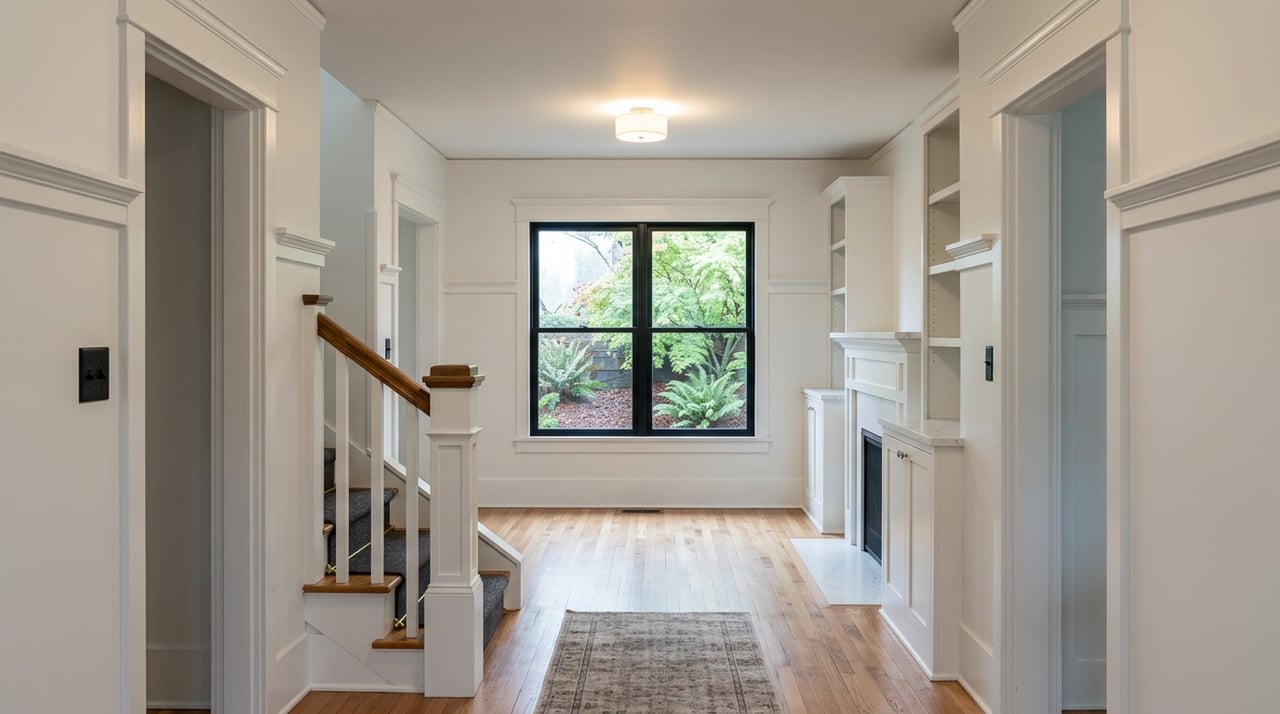
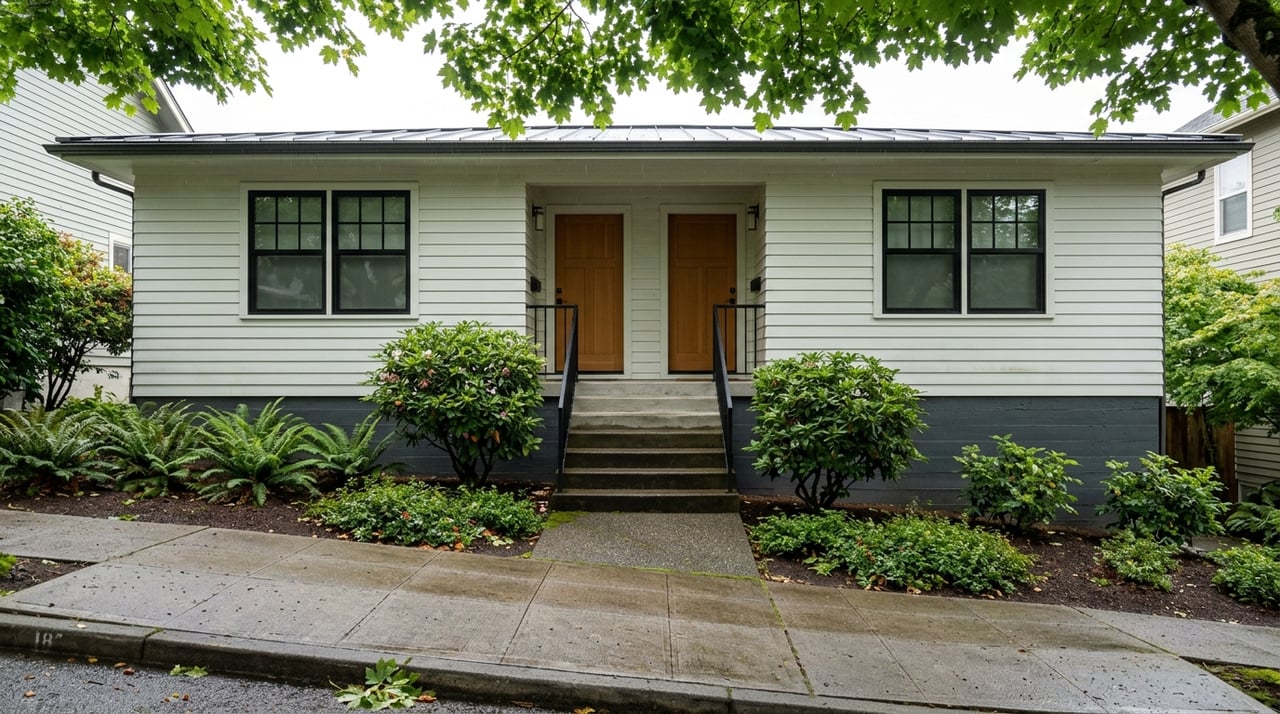
In terms of housing, the area generally includes older detached homes in residential pockets along with apartments, condos, and mixed-use development near the main corridors. Seattle design review records show examples of newer mixed-use apartment buildings with retail as well as condo-flat projects in the broader Greenwood and Phinney area. If you are house hunting, it helps to think less in terms of one neighborhood label and more in terms of your preferred block-by-block experience.
What buyers should pay attention to
If you are considering a move here, focus on how you want to live day to day. A home near the commercial spine may offer easier errand access and a more active street presence. A home farther into the residential blocks may feel quieter, while still keeping Green Lake, Woodland Park, or the main avenues within reach.
It is also smart to look closely at topography, access routes, and how the home sits on its lot. In a ridge neighborhood, small location differences can change light, outlook, and the feel of the walk home. Older housing stock can also vary a lot in condition and update level, so practical evaluation matters.
What sellers can highlight
If you are selling in Phinney Ridge or near Green Lake, your marketing should go beyond generic phrases like “great neighborhood.” Buyers respond better when they can picture real daily life. That may mean showing proximity to the business corridor, the ease of getting to Green Lake, or the quieter feel of a side street just off the main avenues.
It also helps to position the home within the neighborhood’s specific pattern. Is it close to restaurants and cafes, near park access, or set on a residential block with a bit more separation from corridor activity? In this part of Seattle, those details often shape how buyers compare one property to another.
Why local guidance matters here
Phinney Ridge looks straightforward on a map, but the lived experience changes quickly from block to block. Hills, corridor access, park adjacency, and housing type all affect value and lifestyle. That is where neighborhood-specific advice becomes useful.
Samie Bryan’s approach is especially well suited to areas like this because it combines residential brokerage with renovation knowledge, property management experience, and a practical view of long-term ownership. Whether you are buying your next home, preparing to sell, or thinking about a property’s future potential, clear local guidance can help you make a smarter decision.
If you want help thinking through a move in Phinney Ridge or near Green Lake, connect with Samie Bryan for practical, neighborhood-specific advice.
FAQs
Is Phinney Ridge walkable for daily errands?
- Yes. Daily errands are centered along Phinney Avenue N and Greenwood Avenue N, with marked bike lanes and strong neighborhood connectivity, though some east-west routes are hillier.
What is everyday recreation like near Green Lake?
- Near Green Lake, everyday recreation can include the 2.8-mile paved inner loop, beaches, boating access, athletic fields, pool and community center access, plus nearby Woodland Park amenities.
What kinds of homes are common in Phinney Ridge?
- The area includes older detached homes on residential blocks, along with apartments, condos, mixed-use buildings, and other low-rise multifamily options near the main corridors.
Does Phinney Ridge have a strong local business scene?
- Yes. The PhinneyWood business district is a major part of daily life, with roughly 350 small and medium businesses supported by the local neighborhood association.
What makes one part of Phinney Ridge feel different from another?
- Topography, distance from the main commercial avenues, and proximity to Green Lake or Woodland Park can all change how a block feels in terms of activity, quiet, access, and outlook.