Wondering how much work your Phinney Ridge Craftsman really needs before it hits the market? You are not alone. Many Seattle homeowners want to maximize sale price without sinking time and money into updates that buyers will not value. The good news is that in a neighborhood like Phinney Ridge, the goal is usually not to make an older home feel brand new. It is to present its character clearly, address visible maintenance, and remove buyer concerns before they grow into deal friction. Let’s dive in.
Why prep matters in Phinney Ridge
Phinney Ridge has a long-established housing stock shaped in part by early streetcar-era development, with bungalows and Craftsman homes forming much of the neighborhood fabric by the 1930s. That history still shows up in the homes buyers see today, from broad porches to multipaned windows and wood detailing. In a neighborhood known for character homes, those details still matter.
At the same time, buyers are selective. Redfin reported a median sale price of $1.4 million in Phinney Ridge in March 2026, up 5.8% year over year, while Seattle overall was around $861,000 over the three months ending April 2026 and King County reached a median sales price of $875,000 in May 2026 as inventory expanded. In practical terms, that means your home may benefit from thoughtful preparation that highlights charm and reduces questions about condition.
Start with condition, not cosmetics
Before you think about paint colors or staging, focus on the parts of the house that can raise concerns during a showing or inspection. Older Craftsman homes often have period features worth preserving, but they also tend to have age-related issues that buyers notice quickly.
A smart first review usually centers on these areas:
- Roof and flashing
- Porch structure
- Window condition
- Siding and trim
- Chimney work
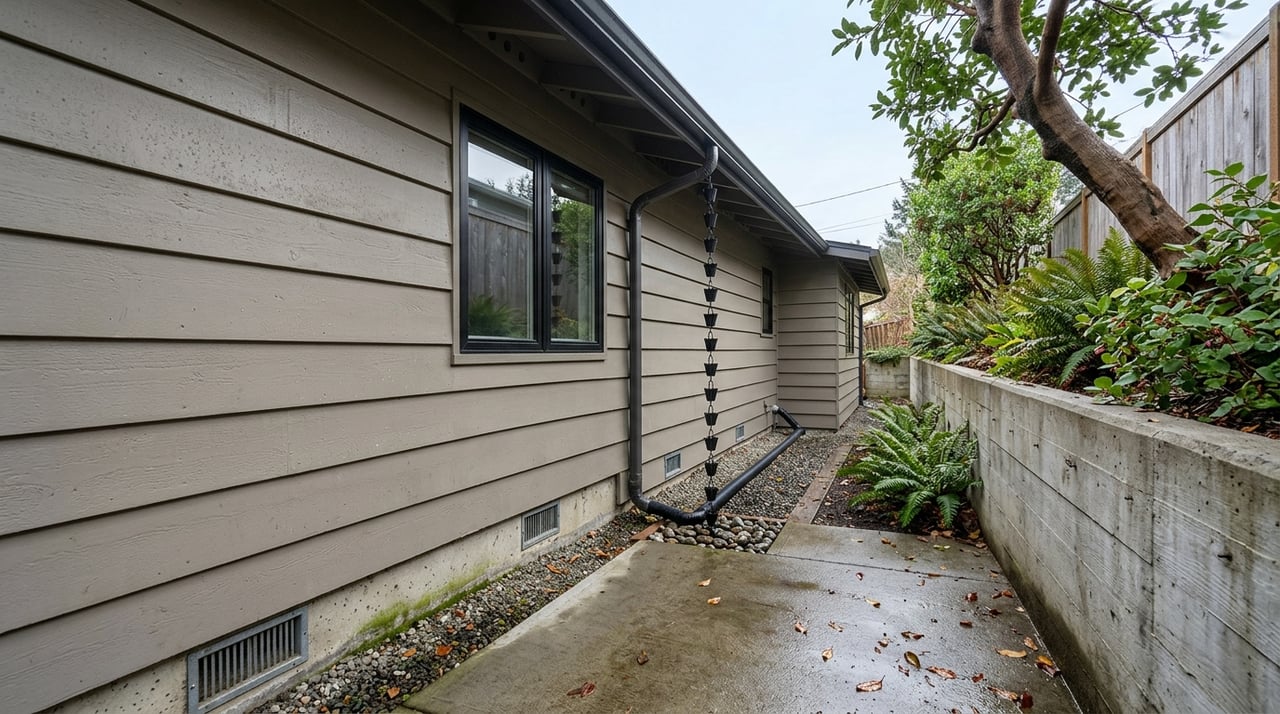
- Drainage
- Visible non-original alterations
Seattle historic-site records repeatedly describe Craftsman homes through features like low-pitched roofs, wide overhangs, exposed rafters or purlins, battered porch columns, multipaned windows, and broad porches. Those same records also document later changes such as replacement windows, altered garages, added gutters, and chimney modifications. That makes it especially important to understand what is original, what has been changed, and what now needs repair or cleanup.
Check permits before listing
If your home has had an addition, basement finish, ADU work, or other major alterations over the years, it is worth confirming the permit history before you go to market. Seattle SDCI advises property owners to check permit and property records through the city portal and microfilm library. Unpermitted construction can create delays and complications if questions come up during the sale.
This matters because not all work is treated the same. Seattle says painting, cleaning, and some minor repairs usually do not require a permit. But work involving load-bearing supports, changes to the building envelope, or reductions in egress, light, ventilation, or fire resistance generally does require permitting.
Seattle also notes that minor repairs under $6,000 in any six-month period generally do not need a permit, though the work still must meet code. If you are deciding between a light refresh and a bigger project, this can be a useful line to keep in mind.
Lead paint rules can affect prep
If your Craftsman was built before 1978, lead-based paint rules should be part of your prep plan. Federal law requires sellers to disclose known lead-based paint hazards before sale and gives buyers a 10-day window to inspect for lead. If paid renovation work will disturb paint in pre-1978 housing, that work generally must be handled by certified firms using lead-safe practices.
For many sellers, this does not mean a full lead issue will arise. It does mean that sanding, scraping, or more invasive prep work should be planned carefully. If you are refreshing an older exterior or interior trim, contractor selection matters.
Preserve character where it counts
One of the biggest mistakes sellers can make with a Phinney Ridge Craftsman is over-correcting the house into something generic. Buyers looking at these homes are often responding to original details as much as square footage or finish level.
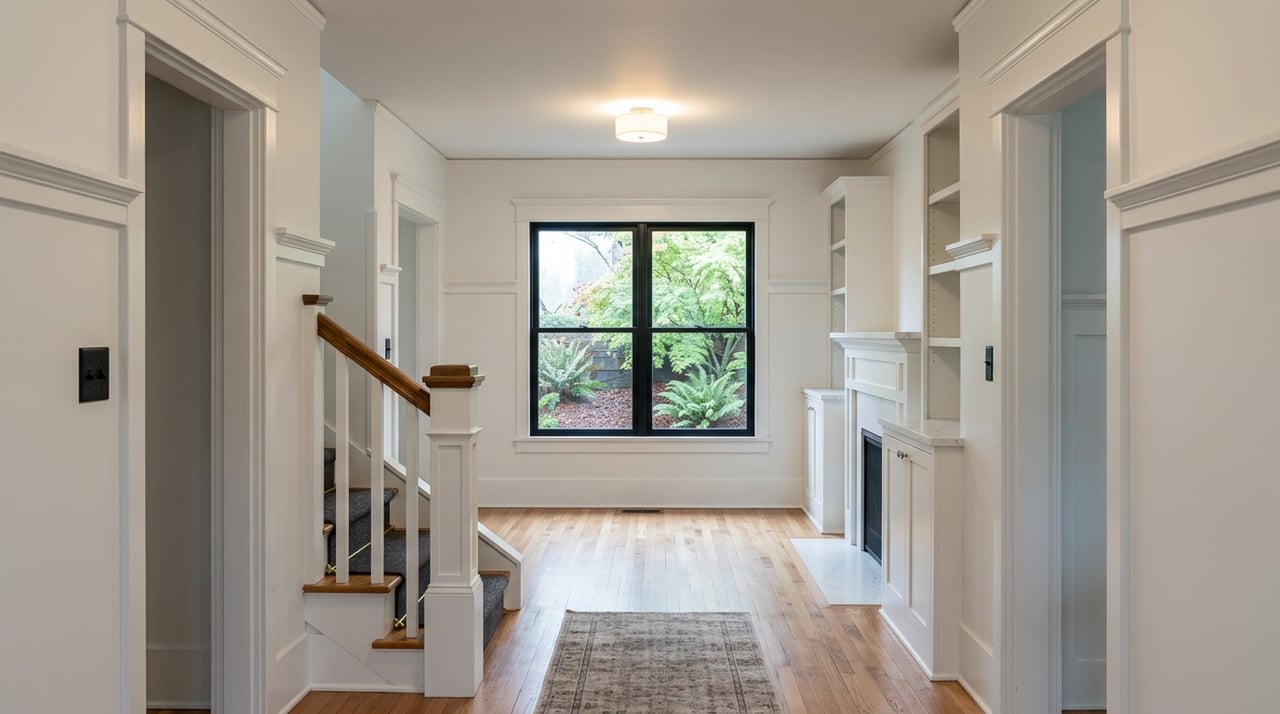
Seattle’s historic-site records identify original multipaned windows, shingle or clapboard cladding, exposed rafters, and battered porch columns as defining features in intact Craftsman examples. If your home still has those elements, preserving and repairing them may do more for market appeal than replacing them outright.
That often means choosing a refresh-first strategy such as:
- Restrained exterior repainting
- Repairing porch details
- Cleaning and repairing wood trim
- Modest lighting or fixture updates
- Refinishing hardwood floors
- Tidying landscaping near the entry
These types of updates can help your home feel cared for without erasing the qualities that make it fit the neighborhood.
Focus on updates buyers notice
When sellers prepare a home for market, the most effective projects are often the least flashy. According to the National Association of Realtors 2025 staging report, the most common seller-prep actions recommended by agents are decluttering, entire-home cleaning, and improving curb appeal. The same report says photos and traditional physical staging are highly important to clients.
That lines up well with what works in character neighborhoods. Buyers want to see the home clearly. They want natural light, visible floor space, and a sense that the property has been maintained over time.
A few high-impact areas tend to stand out:
Entry and curb appeal
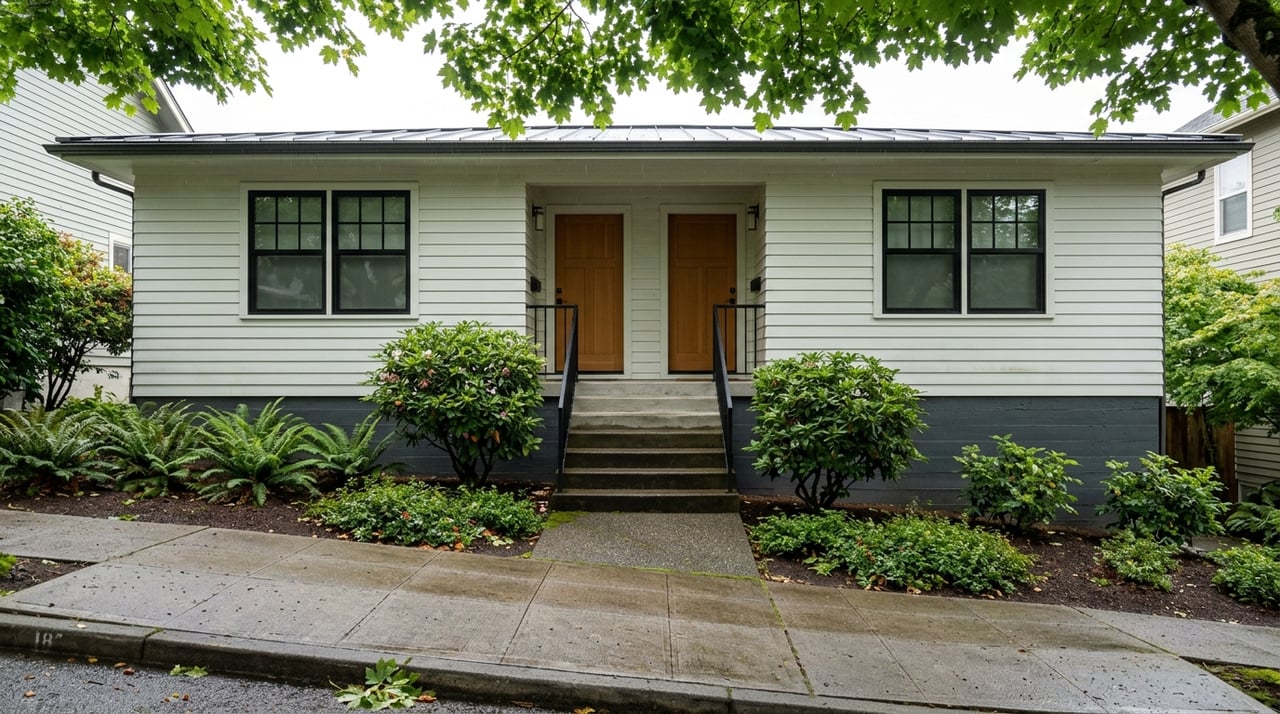
Your front door, porch, steps, and landscaping shape first impressions fast. Pacific region Cost vs. Value data show that a steel entry door and garage door replacement had especially strong cost recovery, while manufactured stone veneer also performed well. That does not mean every Craftsman needs those exact upgrades, but it does show how much visible exterior presentation can matter.
For many Phinney Ridge homes, a cleaned-up porch, freshly painted front door, working exterior lights, and neat planting beds may be enough to make the house feel inviting from the sidewalk.
Kitchens
A full kitchen remodel is not always the best pre-list move. Pacific Cost vs. Value data show that a midrange minor kitchen remodel far outperformed a major kitchen remodel on cost recovery, 134.3% versus 67.8%.
That supports a selective approach. If your kitchen is functional, a better strategy may be to improve paint, hardware, lighting, worn surfaces, and overall cleanliness rather than replace everything. Buyers often respond well to a kitchen that feels bright, usable, and in keeping with the home.
Bathrooms
Bathrooms are worth attention, but usually not luxury expansion. Pacific data show a midrange bath remodel recovered more value than upscale bath work, while high-end additions lagged badly.
If your bath feels tired, focus on practical improvements. Clean grout, simple fixture replacement, fresh paint, working ventilation, and resolving visible wear can go a long way.
Windows and woodwork
Original windows are a common question in older Seattle homes. In intact Craftsman examples, Seattle records treat original multipaned windows as part of the home’s character, while replacement windows are often documented as later alterations. If your windows are repairable, repair may be the better fit for the home. If they are failing, period-appropriate replacement is usually easier to defend than a generic swap.
Budget in the right order
When prep costs start adding up, sequence matters. A useful way to budget pre-list work is to move from risk reduction to visual impact to presentation.
1. Fix safety and inspection issues
Start with items that could create buyer concern or show up in inspection negotiations:
- Leaks
- Rot
- Roof issues
- Drainage problems
- Porch structure concerns
- Electrical risks
- Lead hazards
- Unpermitted work questions
These repairs are not always exciting, but they often protect your pricing and reduce the odds of last-minute renegotiation.
2. Tackle high-visibility fixes
Next, invest in the items buyers will notice right away:
- Paint
- Front door refresh
- Landscaping
- Window touch-ups
- Trim repair
- Deep cleaning
- Decluttering
This is often where sellers see the clearest payoff in day-to-day marketability.
3. Finish with presentation
Once the house is sound and visually cleaned up, turn to how it will be seen online and in person:
- Staging
- Photography
- Minor finish work
In many cases, this final layer is what helps a well-prepared home stand out from competing listings.
Avoid the over-remodel trap
In a premium neighborhood, it is easy to assume you need a full transformation to earn a strong sale price. Usually, you do not. With Phinney Ridge pricing still well above Seattle’s broader median, buyers often want a home that feels move-in ready and true to its character, not an old house stripped of its identity.
That is where a strategic prep plan matters. If a project changes structure, affects the building envelope, or touches major systems, expect more cost, more time, and likely permits. If it mainly improves appearance, cleanliness, and the sense of ongoing maintenance, it is more likely to be a sensible pre-list investment.
For many sellers, the winning formula is simple: fix what worries buyers, preserve what makes the house special, and spend where the market is most likely to notice.
If you are preparing a Phinney Ridge Craftsman for sale, a neighborhood-specific plan can help you avoid wasted upgrades and focus on the work that supports value. Samie Bryan brings Seattle brokerage experience, renovation fluency, and practical pre-listing strategy to help you decide what to repair, what to refresh, and what to leave alone.
FAQs
What should you inspect first in a Phinney Ridge Craftsman before listing?
- Start with roof and flashing, porch structure, windows, siding and trim, chimney work, drainage, and any visible alterations from past work.
Do Seattle permits matter for pre-listing work on an older home?
- Yes. Seattle says painting, cleaning, and some minor repairs are usually exempt, but structural work, building envelope changes, and some safety-related changes generally require permits.
Should you replace original windows in a Seattle Craftsman before selling?
- Not automatically. If original multipaned windows are repairable, keeping and repairing them may better preserve the home’s character than replacing them outright.
Is a full kitchen remodel worth it before selling in Phinney Ridge?
- Usually, a minor kitchen refresh is the more efficient choice. Pacific Cost vs. Value data show a midrange minor kitchen remodel recovered much more than a major kitchen remodel.
What pre-list updates tend to matter most to buyers in Seattle?
- Decluttering, deep cleaning, curb appeal improvements, staging, and strong listing photography are among the most widely recommended seller-prep steps.
Do lead paint rules apply when selling an older Seattle home?
- If the home was built before 1978, sellers must disclose known lead-based paint hazards, and paid renovation work that disturbs paint generally must follow lead-safe requirements.